


We live in a mobile-first world where smartphones are part of daily life. As a mobile app development company Dallas, TekInvent understands how competitive the app market has become. Millions of apps are available on the App Store and Google Play. Yet only a few truly stand out.
The difference is not just features or technology. The real impact comes from design and usability. In 2026, users expect smooth, attractive, and simple digital experiences. If an app looks confusing or outdated, users quickly uninstall it. Strong UX and UI design now decide whether an app succeeds or fails.
Many businesses focus only on adding advanced features. However, features alone cannot guarantee success. A mobile app must also feel easy and enjoyable to use. If users struggle to navigate the app, they lose interest.
Even powerful apps fail without clean layouts and clear navigation. A well-designed interface builds trust and encourages engagement. Good design turns first-time users into loyal customers. That is why UX and UI are essential in modern mobile development.
What is UI in mobile app development?
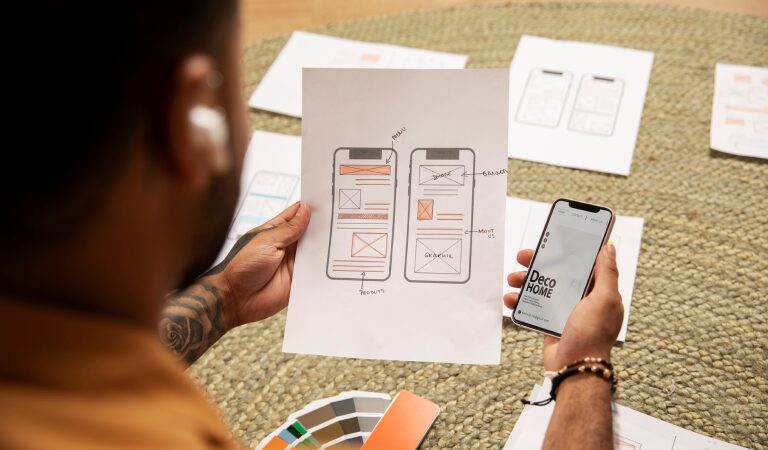
UI, or User Interface, refers to everything users see on the screen. This includes buttons, icons, colors, typography, and menus. UI design controls how the app looks and responds visually. A skilled designer ensures that each element feels consistent and clear. The layout must guide users naturally from one screen to another.
Modern UI design follows trends and usability standards. In 2026, users expect visually appealing and responsive interfaces. Clean design improves interaction and keeps users engaged longer.
What is UX in mobile app development?

UX, or User Experience, focuses on how users feel while using the app. It ensures the journey is smooth and logical. Even a beautiful app can fail if it feels complicated. UX design improves structure, flow, and usability.
The goal is to help users complete tasks quickly and without confusion. A strong user experience increases satisfaction and retention. Businesses that prioritize UX gain a competitive advantage. In today’s market, great design is not optional. It is essential for app success.
How Important is UI/UX in mobile app development?
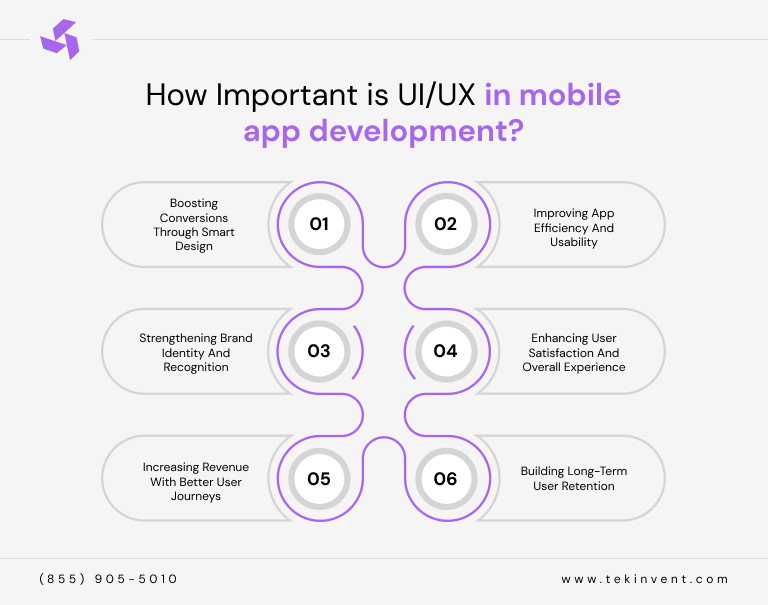
UI and UX design play a central role in modern mobile app development. In 2026, users expect apps to be fast, simple, and visually appealing. A poorly designed app loses attention quickly. A smart design keeps users engaged and satisfied. UI and UX are not only about appearance. They shape how users interact with your product.
Strong design decisions improve usability and business performance. Companies that invest in professional design gain a competitive advantage. Below are the key reasons why UI and UX design matter in mobile app development.
1. Boosting Conversions Through Smart Design
UI and UX design directly influence conversion rates. A clear layout guides users toward important actions. These actions may include signing up, purchasing, or subscribing. Simple forms and visible call-to-action buttons improve results. Users should not feel confused while completing tasks.
A smooth user journey increases trust and confidence, and mobile users prefer quick and direct processes. When navigation is logical, users complete actions faster. This directly supports business goals. Better conversions mean higher growth opportunities. A well-structured interface turns visitors into active users. Smart design helps businesses achieve measurable success.
2. Strengthening Brand Identity and Recognition
UI and UX design also builds strong brand awareness. Colors, fonts, icons, and layouts reflect brand personality. A consistent design creates a memorable impression. Users connect visual style with brand values. This improves recognition across digital platforms. In a crowded app marketplace, uniqueness matters.
A distinctive design helps your app stand out. Visual consistency builds credibility and professionalism. Users trust brands that look polished and organized. Strong branding encourages loyalty and repeat usage. Design becomes a silent marketing tool. It supports long-term brand growth and visibility.
3. Increasing Revenue With Better User Journeys
Thoughtful UI and UX design can increase revenue. Clear product displays improve purchase decisions. Smooth checkout processes reduce cart abandonment. Attractive layouts highlight premium features. When users enjoy the experience, they are more willing to pay. Positive reviews also increase downloads.
A satisfying design encourages recommendations. Happy users share apps with friends and family. This creates organic growth opportunities. Investing in design improves financial returns. UI and UX are strategic business tools. They support both customer satisfaction and profitability.
4. Improving App Efficiency and Usability
Efficiency is a major goal of good design. Users want to complete tasks quickly. Streamlined navigation reduces confusion. Organized information architecture improves clarity. A clean layout lowers mental effort. Users should find tools and features easily. Mobile interactions often happen in short sessions, and every second matters.
Efficient design improves task completion rates. It also increases time spent inside the app. When apps feel simple, users return often. Good usability supports daily convenience. Efficient UI and UX design improve both engagement and performance.
5. Enhancing User Satisfaction and Overall Experience
The primary purpose of UI and UX design is to improve user experience. A well-designed app feels smooth and natural. It predicts user needs and removes obstacles. Clear menus and intuitive layouts reduce frustration. Users enjoy apps that are easy to understand. Positive experiences build long-term trust.
In 2026, competition is intense across all app categories. A superior experience sets your app apart. Satisfied users leave positive ratings. They also recommend the app to others. Strong user experience supports sustainable growth.
6. Building Long-Term User Retention
Retention is critical for app success. Keeping existing users is more cost-effective than acquiring new ones. UI and UX design play a key role in loyalty. Simple onboarding helps users start quickly. Personalized features increase engagement. Familiar layouts create comfort and trust.
Continuous design improvements based on feedback improve satisfaction. Users return to apps that feel reliable. High retention increases lifetime value. Loyal users often become brand advocates. A strong design strategy builds a lasting user community. Retention-focused design ensures long-term success.
The Main Components of UI/UX for Mobile App Design
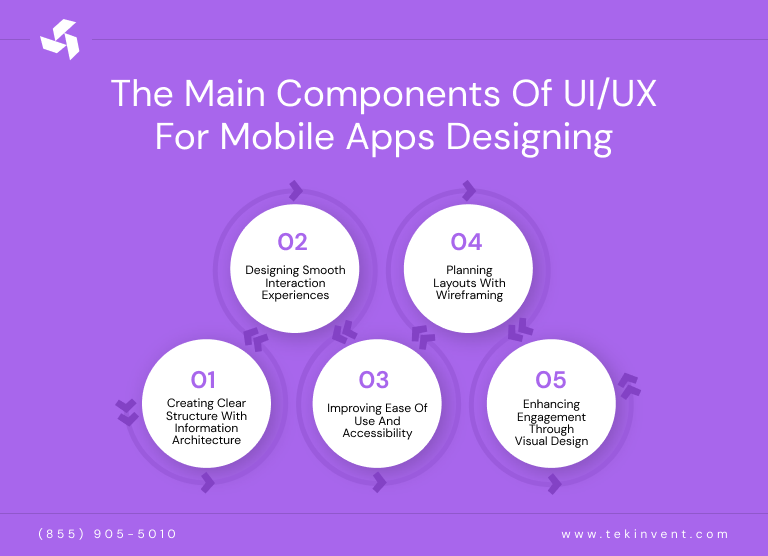
Strong UI and UX design are built on several important components. These elements work together to create a smooth and engaging mobile experience. In 2026, users expect apps to feel natural and easy. A well-designed app does not happen by accident. It follows a clear structure and strategy.
Each design component supports usability and performance. When these elements are planned correctly, the app becomes simple and effective. Below are the main components that shape successful mobile app design.
1. Creating Clear Structure With Information Architecture
Information architecture focuses on organizing content clearly. It defines how information is arranged inside the app. A good structure helps users find features quickly. Categories, menus, and labels must be logical. When content is organized well, confusion is reduced. Users should not struggle to locate important sections.
Clear hierarchy improves navigation flow. It also supports faster decision-making. Information architecture acts as the foundation of UI and UX design. Without it, even attractive apps feel messy. A strong structure improves usability and satisfaction. It ensures the app feels simple and well planned.
2. Designing Smooth Interaction Experiences
Interactive design focuses on how users engage with the app. It defines how buttons, gestures, and animations respond. Every tap and swipe should feel natural. Feedback must be immediate and clear. Users should know their action was successful. Smooth transitions improve the overall experience. Poor interaction creates frustration and confusion.
Interactive elements guide users step by step. They make navigation intuitive and enjoyable. In 2026, users expect responsive and dynamic interfaces. Well-designed interactions increase engagement. They make the app feel modern and reliable.
3. Improving Ease of Use and Accessibility
Usability ensures the app is easy for everyone to use. It focuses on simplicity and clarity. Features should not require long instructions. Users should complete tasks without difficulty. Clear icons and readable fonts improve accessibility.
Buttons must be placed logically. Testing helps identify user challenges early. Feedback from real users improves design quality. High usability reduces errors and frustration. It increases user confidence. When apps are simple to use, people return often. Usability directly affects customer satisfaction and retention.
4. Planning Layouts With Wireframing
Wireframing is the early blueprint of the app. It shows the layout before the final design begins. Designers sketch screens and feature placements. This helps plan navigation flow clearly. Wireframes focus on structure, not colors. They allow teams to test ideas quickly. Changes can be made before development starts.
This saves time and cost. Wireframing improves communication between designers and developers. It ensures everyone understands the vision. A clear blueprint reduces future mistakes. It builds a strong foundation for the final design.
5. Enhancing Engagement Through Visual Design
Visual appeal attracts users at first glance. Colors, typography, and spacing shape the app’s personality. A clean design creates a professional impression. Consistency across screens improves trust. Attractive visuals encourage longer usage. Poor design pushes users away quickly. Visual balance improves readability and focus.
Modern design trends influence user expectations. In 2026, users prefer minimal and elegant layouts. Visual design supports brand identity strongly. It turns functional apps into enjoyable experiences. Strong visuals combined with usability create successful mobile applications.
Final Thoughts
UI and UX design are no longer optional in mobile app development. They are the foundation of a successful digital product in 2026. A visually appealing interface attracts users at first glance. A smooth user experience keeps them engaged over time. When both elements work together, businesses see higher conversions and stronger retention.
As a trusted mobile app development company in Dallas, TekInvent understands the value of thoughtful design. We focus on building apps that are simple, intuitive, and performance-driven. Our approach combines creativity with strategy to deliver real business results. In a competitive market, strong UX and UI design can set your brand apart. Investing in professional design today ensures long-term growth tomorrow.

Build Smart with The Right Team.
We bring expertise, technology, and trust you look for in your digital journey.