

In the modern digital era, businesses increasingly rely on mobile applications to engage customers, manage operations, and generate revenue. With apps handling sensitive personal and financial data, ensuring robust security has never been more critical. A mobile app development company plays a pivotal role in protecting applications against cyber threats, safeguarding data, and ensuring long-term reliability. Choosing a professional development partner with security expertise is essential for building trust and avoiding costly breaches.
App security is not a single feature but a comprehensive approach that covers planning, architecture, coding, deployment, and ongoing maintenance. Every stage of development must integrate security measures to prevent vulnerabilities and protect both users and businesses from cyber risks.
Understanding Mobile App Security

Mobile app security involves protecting an app and its associated data from unauthorized access, hacking attempts, and misuse. The stakes are high: compromised applications can lead to:
- Data breaches exposing sensitive customer information
- Malware attacks targeting vulnerable code
- Unauthorized API access to backend systems
- Account hijacking due to weak authentication
- Regulatory penalties for non-compliance
Cybersecurity threats are continuously evolving, making security a continuous commitment rather than a one-time task. Ensuring security requires a combination of technical expertise, strategic planning, and ongoing vigilance.
Planning Security from the Start

Effective security begins in the planning phase. Developers map out potential threats and design the app to prevent attacks. Key planning steps include:
- Threat modeling: Identifying possible attack vectors and prioritizing mitigation strategies
- Platform selection: Deciding between iOS, Android, or cross-platform frameworks based on security needs
- Data management strategy: Determining how sensitive information will be stored, encrypted, and transmitted
- Regulatory compliance assessment: Understanding industry-specific requirements like GDPR, HIPAA, or PCI DSS
Planning security from the start ensures that protective measures are built into the foundation of the application, reducing the risk of costly fixes later.
Secure Coding Practices

Clean and secure coding practices are the backbone of a safe application. Professional development teams follow standards that minimize vulnerabilities:
- Input validation: Sanitizing all user inputs to prevent injection attacks
- Avoiding hard-coded credentials: Ensuring passwords, API keys, and sensitive information are stored securely
- Error handling: Preventing sensitive system information from being exposed in error messages
- Code reviews and automated scans: Catching potential weaknesses before deployment
Secure coding practices protect the application from common exploits and form the first line of defense against attackers.
Data Encryption

Encrypting data is critical for protecting sensitive information both in transit and at rest. Encryption converts readable data into a secure format accessible only to authorized parties. Typical practices include:
- AES (Advanced Encryption Standard) for encrypting stored data
- SSL/TLS protocols for secure transmission between the app and servers
- End-to-end encryption for messages or transactions
Even if attackers intercept encrypted data, they cannot decipher it, minimizing the impact of a breach.
Strong Authentication and Authorization
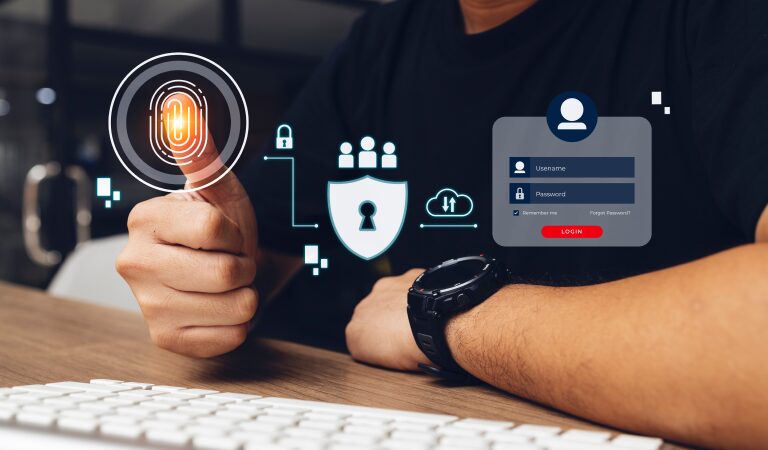
Authentication verifies a user’s identity, while authorization controls access to specific features or data. Weak systems can compromise app security. Common measures include:
- Multi-factor authentication (MFA) combining passwords with OTPs, biometrics, or security tokens
- Role-based access control (RBAC) ensuring users can only access data relevant to their role
- Secure session management to prevent session hijacking
Robust authentication and authorization reduce the risk of unauthorized access to sensitive information.
Securing APIs and Backend Systems

Many apps rely on APIs to interact with servers and third-party services. These connections are often targeted by attackers. Developers secure APIs and backends by:
- Token-based authentication for each API request
- Encrypted API calls using HTTPS
- Rate limiting and throttling to prevent abuse or denial-of-service attacks
- Regular third-party audits to ensure integrated services meet security standards
A strong backend architecture ensures that even if a client-side vulnerability exists, critical data remains safe.
Regular Security Testing

Testing is essential to maintaining app security. Top practices include:
- Penetration testing to simulate attacks and uncover vulnerabilities
- Static and dynamic code analysis to detect potential issues in the codebase
- Vulnerability scanning for outdated libraries or frameworks
- Bug bounty programs allowing ethical hackers to find and report issues
Continuous testing ensures that security remains proactive rather than reactive.
Industry Compliance and Standards

Compliance with industry regulations protects both users and the business. Key standards include:
- GDPR: Protecting user privacy in Europe
- HIPAA: Safeguarding healthcare data in the U.S.
- PCI DSS: Securing payment card transactions
- ISO/IEC 27001: Establishing information security management practices
Following these standards ensures legal compliance and strengthens user confidence in the application.
Continuous Monitoring and Updates

Security doesn’t end at launch. Threats evolve, operating systems update, and new vulnerabilities emerge. Ongoing measures include:
- Real-time monitoring for suspicious activity or anomalies
- Frequent security patches and software updates
- Audit trails to track access and changes to critical systems
- User feedback collection to identify emerging security issues
Continuous monitoring ensures the app stays secure throughout its lifecycle.
Educating Users and Stakeholders
Even the most secure app can be compromised by user error. Education is critical:
- Teaching users to create strong passwords
- Recognizing phishing attempts or suspicious messages
- Understanding app permissions and privacy settings
- Reporting unusual activity promptly
A knowledgeable user base is a key part of overall app security.
Mobile OS-Specific Security Measures
Different mobile platforms have unique security challenges:
- iOS emphasizes strict app sandboxing, regular updates, and app store review processes
- Android requires careful management of permissions, updates, and device compatibility
- Cross-platform apps must implement security features that satisfy both operating systems without introducing vulnerabilities
- Professional developers ensure consistent security across all platforms while leveraging native protections.
Common Security Mistakes to Avoid
Businesses often make mistakes that compromise app security:
- Ignoring updates and patches
- Using weak or default passwords
- Skipping encryption for sensitive data
- Relying solely on third-party libraries without auditing them
Recognizing these pitfalls helps teams implement robust preventive measures from the start.
Real-World Case Study: Securing a Health App

Consider a mobile health app storing patient records. A professional development company ensured security by:
- Encrypting all data using AES 256-bit encryption
- Implementing multi-factor authentication for patient and provider accounts
- Conducting quarterly penetration testing to uncover vulnerabilities
- Using secure APIs to integrate wearable devices
- Maintaining regular updates and continuous monitoring
This approach protected sensitive health information, complied with HIPAA, and maintained patient trust.
Why Partnering with Experts Matters
Security is complex and ever-changing. Partnering with a professional development team ensures:
- Best practices are followed throughout development
- Scalability does not compromise security
- Ongoing maintenance, updates, and monitoring
- Compliance with regulations and standards
A development company that prioritizes security provides long-term protection and peace of mind for businesses and their users.
Conclusion
Mobile app security is a fundamental component of modern application development. From planning and secure coding to encryption, authentication, API protection, compliance, monitoring, and user education, every aspect contributes to a safe and reliable app.
Choosing a professional development team is important! Your TekInvent team will integrate security from the beginning, ensuring your app protects sensitive data, builds user trust, and supports long-term business growth. Investing in security is not just a technical choice, in fact, it is a strategic decision that safeguards both your users and your organization.

Build Smart with The Right Team.
We bring expertise, technology, and trust you look for in your digital journey.