
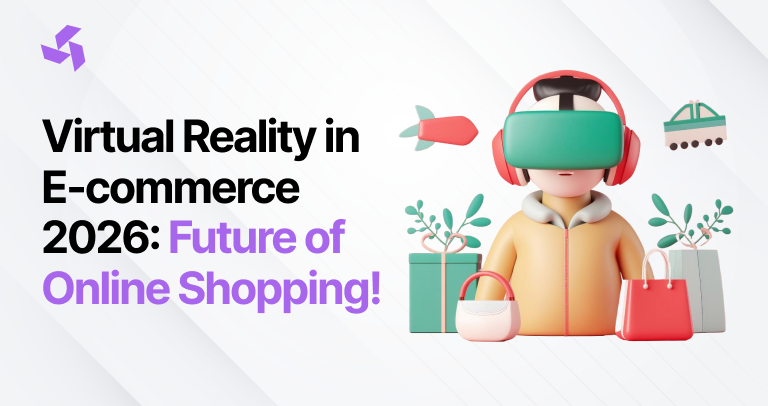
Virtual Reality in e-commerce 2026 is changing how people shop online by turning simple browsing into immersive and interactive experiences that feel closer to real-world shopping environments.
Shopping has evolved from physical stores to e-commerce and mobile commerce, and now it is entering a new phase where Virtual Reality creates engaging digital spaces where users can explore products more realistically and interactively.
This shift is especially important for businesses investing in e-commerce app development and working with a mobile app development company to deliver modern, user-focused shopping experiences that improve engagement and trust.
Virtual Reality is a computer-generated environment that allows users to interact with digital spaces using devices like VR headsets, creating a three-dimensional experience that feels real and engaging.
Unlike traditional screens, VR places users inside the experience itself, making product exploration more immersive and helping customers make better purchasing decisions with confidence.
This technology is no longer just a futuristic idea; it is becoming a practical solution that enhances e-commerce by improving customer experience, increasing engagement, and reducing uncertainty in online shopping.
The Role of Virtual Reality in E-commerce 2026!
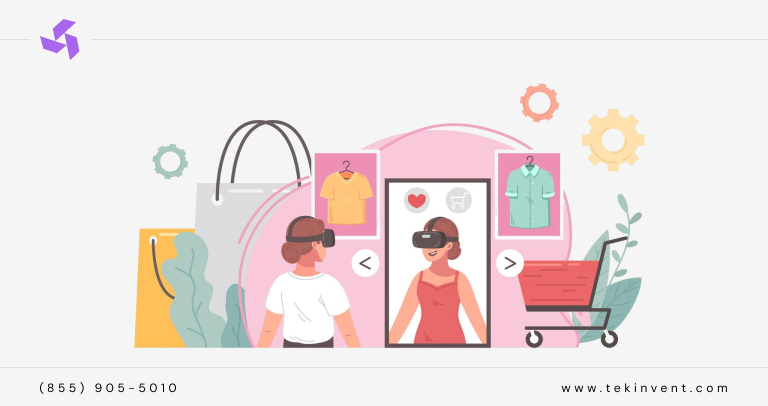
Virtual Reality in e-commerce 2026 is transforming how people shop online by creating immersive digital experiences that feel closer to real-world shopping environments and interactions.
Virtual Reality shopping allows users to enter a simulated 3D store, where they can interact with products using sight, sound, and immersive digital elements, making the experience feel more realistic and engaging than traditional online shopping. Instead of viewing flat images, customers can explore products from different angles, walk through virtual spaces, and interact with items in a more natural, interactive way. This helps improve decision-making and creates a more user-focused shopping journey that feels closer to physical retail experiences.
In e-commerce, Virtual Reality works by combining advanced digital environments with VR devices like head-mounted displays that place users inside a fully interactive shopping world. This technology bridges the gap between offline and online shopping by making the experience more immersive, engaging, and realistic for users in 2026. It allows businesses working with e-commerce app development and a mobile app development company to deliver more innovative and memorable customer experiences that improve engagement and trust.
Online shopping continues to grow because of its convenience, but VR takes it further by adding depth, interaction, and realism that traditional platforms cannot offer. It helps businesses stand out in a competitive digital market by offering experiences that are more engaging and emotionally connected, making customers feel more confident about their purchases.
The most important part of VR technology is the head-mounted display, which creates a fully immersive environment where users can see and interact with virtual products in real time. Since humans rely heavily on visual experience, this technology makes online shopping more natural, intuitive, and impactful compared to standard digital interfaces.
Practical Ways to Apply Virtual Reality in Online Shopping
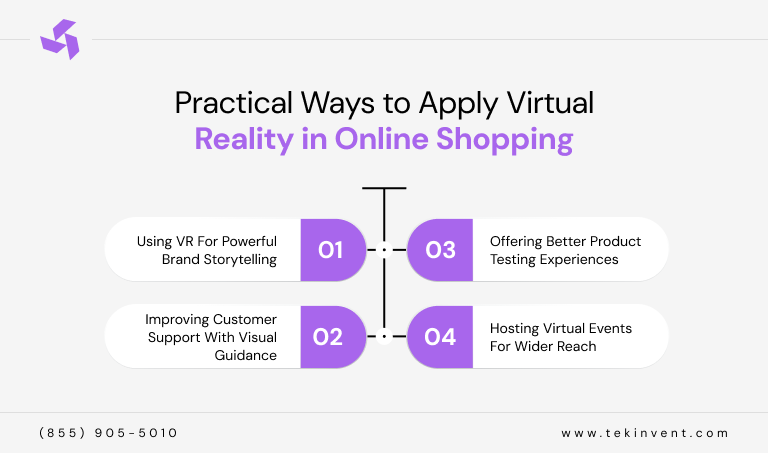
Virtual Reality is not limited to building full digital stores; it can also be applied in practical ways that improve customer engagement, enhance brand communication, and create more meaningful shopping experiences in 2026.
Businesses working with e-commerce app development and a mobile app development company can use VR to strengthen storytelling, improve customer support, enable product testing, and host virtual events that increase engagement.
These applications help brands stand out in a competitive digital market by offering more immersive and interactive experiences that go beyond traditional e-commerce methods.
1. Using VR for Powerful Brand Storytelling
Virtual Reality allows businesses to share their brand story more engagingly by showing customers how products are designed, created, and delivered through an immersive 360-degree experience.
Instead of only focusing on products, brands can highlight their journey and values, which helps build emotional connections and makes customers feel more involved in the process.
This approach helps businesses stand out in crowded markets by offering a deeper and more meaningful shopping experience that builds trust and loyalty over time.
2. Improving Customer Support with Visual Guidance
Virtual Reality can significantly improve customer support by allowing teams to visually guide users through solutions, making problem-solving faster, clearer, and more effective for both sides.
Instead of relying only on text or calls, VR support provides interactive assistance that helps customers understand solutions more easily and reduces frustration during the process.
This leads to better customer satisfaction, stronger trust in the brand, and improved overall support efficiency in e-commerce environments.
3. Offering Better Product Testing Experiences
Virtual Reality allows customers to explore and test products in a simulated environment where they can view items from all angles before making a purchase decision.
This helps bridge the gap between online and physical shopping by giving users a more realistic understanding of product features, size, and design.
As a result, customers feel more confident in their choices, which reduces return rates and improves overall satisfaction with the shopping experience.
4. Hosting Virtual Events for Wider Reach
Virtual Reality makes it possible to host live events in digital environments, allowing users from anywhere in the world to participate without physical limitations or travel barriers.
This helps businesses reach a larger audience, including people who cannot attend physical events due to distance, time, or accessibility challenges.
With VR, every attendee can enjoy a front-row experience, making events more engaging, inclusive, and impactful for global audiences in 2026.
Key Advantages of Using Virtual Reality in E-commerce
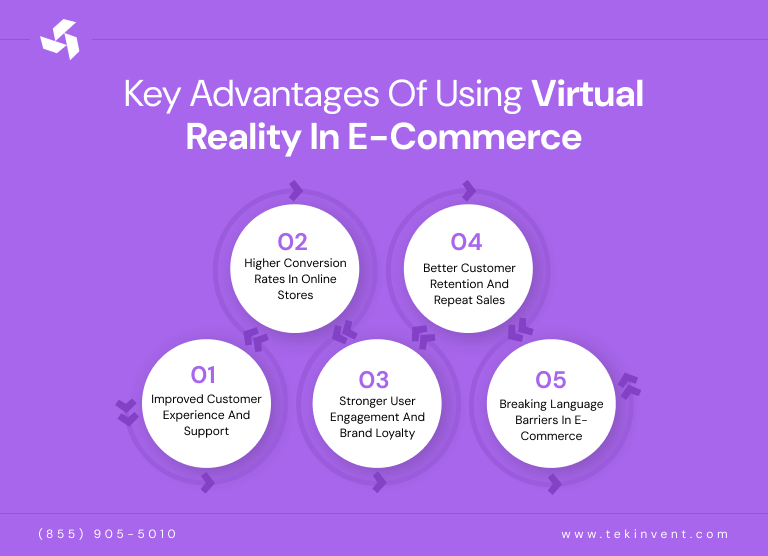
Virtual Reality allows users to shop in a more immersive way by sitting comfortably at home, wearing a headset, and exploring digital stores that feel realistic, interactive, and highly engaging for modern e-commerce experiences.
Forward-thinking businesses working with e-commerce app development and a mobile app development company are already exploring VR solutions to improve customer journeys and create more meaningful online shopping experiences.
As this technology continues to evolve, it is helping brands build stronger connections with customers while improving engagement and decision-making through more interactive digital environments.
1. Improved Customer Experience and Support
Virtual Reality enhances customer experience by offering a more realistic and interactive shopping journey that helps users understand products better and make more confident purchasing decisions in 2026.
Businesses can also use VR to analyze customer behavior more effectively, understanding how users interact with products and what influences their buying decisions in real time.
With virtual assistants and immersive guidance, customers receive better support and recommendations, making the overall shopping experience smoother, faster, and more satisfying for users.
2. Higher Conversion Rates in Online Stores
Virtual Reality helps increase conversion rates by keeping users engaged longer and offering interactive shopping environments that encourage them to explore more products within a digital store.
By providing a more immersive experience, customers are less likely to leave quickly and more likely to complete purchases due to improved product understanding and interaction.
This leads to stronger engagement and better sales performance as users enjoy a more dynamic and realistic shopping journey compared to traditional e-commerce platforms.
3. Stronger User Engagement and Brand Loyalty
VR creates highly engaging experiences that allow customers to explore virtual shopping environments, making the entire process more enjoyable, interactive, and memorable for users.
This increased engagement helps build emotional connections between customers and brands, encouraging repeat visits and long-term loyalty in a competitive e-commerce market.
As a result, businesses can create stronger relationships with their audience by offering unique experiences that go beyond standard online shopping methods.
4. Better Customer Retention and Repeat Sales
Virtual Reality improves customer retention by offering unique shopping experiences that keep users interested and encourage them to return for future purchases.
When customers feel satisfied with their shopping journey, they are more likely to revisit the platform and recommend it to others through word-of-mouth sharing.
This creates a cycle of trust and loyalty, helping businesses maintain long-term customer relationships and achieve sustainable growth in e-commerce.
5. Breaking Language Barriers in E-commerce
Virtual Reality helps overcome language barriers by using visual and interactive experiences that clearly communicate product value without relying heavily on written or spoken language.
This makes it easier for global customers to understand products, regardless of their native language, improving accessibility and user experience in international markets.
By focusing on visual communication, VR ensures that product demonstrations are more effective, inclusive, and easier to understand for a wider audience.
Final Thoughts
Virtual Reality is no longer just a futuristic concept; it is becoming a real and practical shift in how e-commerce experiences are designed and delivered in 2026. By combining immersive environments, interactive product exploration, and user-focused digital experiences, VR is redefining how customers browse, understand, and purchase products online.
This transformation is helping businesses create stronger emotional connections, improve engagement, and build more confident buyers across digital platforms. For brands looking to stay ahead in this evolving landscape, investing in e-commerce app development and partnering with a reliable mobile app development company like TekInvent can play a crucial role in building future-ready solutions.
As Virtual Reality continues to grow, businesses that adapt early will benefit from higher conversions, better customer retention, and more meaningful shopping experiences that set them apart in a competitive market.

Build Smart with The Right Team.
We bring expertise, technology, and trust you look for in your digital journey.