
Thinking about launching your own e-commerce website in 2026? You are not alone. One of the first questions every business owner asks is, how much will it cost to build. The answer depends on your goals, features, and budget.
There are two common ways to build an online store. You can use an e-commerce platform yourself or hire a professional mobile app development company for a custom, user-focused solution. Your choice affects both upfront costs and long-term expenses.
A basic e-commerce website can cost as little as US$29 per month using ready-made platforms. A fully custom website with advanced features and e-commerce web development can range from US$10,000 to US$250,000 or more. Pricing depends on design, integrations, and scalability.
If you are on a tight budget, do not worry. It is possible to launch a successful online store without overspending. Understanding costs like hosting, domains, maintenance, and marketing helps you plan smarter.
In this guide, we will break down the real cost of building an e-commerce website in 2026. Whether you are a startup or an established brand, this guide will help you choose the best option.
The 6 Key Costs of Building an E-Commerce Website in 2026
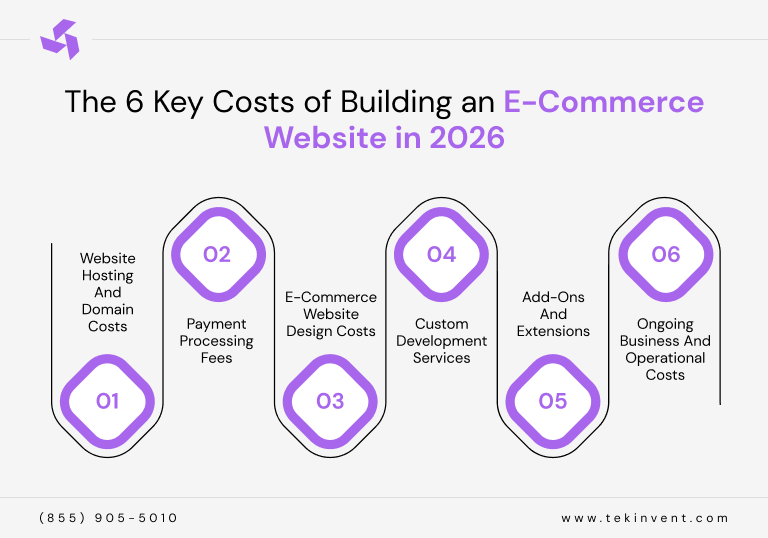
Building an e-commerce website in 2026 involves several costs that can affect your total budget in different ways. Your expenses depend on your business model, website size, features, and long-term growth plans. Some costs are one-time investments, while others are monthly or yearly expenses. Understanding these categories helps you create a realistic budget and avoid surprises later. Here are the six most common costs every business owner should know before launching an online store.
1. Website Hosting and Domain Costs
Every e-commerce website needs hosting to store website files and keep the store live online. You will also need a domain name, which is your store’s digital address. Hosting costs can start as low as US$2 per month for basic plans and can exceed US$1,000 monthly for high-traffic websites. The price depends on website traffic, speed requirements, storage, security, and additional features like automated backups and performance monitoring.
There are two common hosting options for online stores in 2026. The first is platform-based hosting, where hosting is included in your monthly subscription. This option offers predictable pricing and includes features like SSL certificates, secure payment support, unlimited bandwidth, and built-in content management tools. It is ideal for businesses looking for a simple, low-maintenance solution.
The second option is self-hosting, where you manage hosting through a third-party provider. Self-hosting gives you more flexibility and control, but it also requires technical management. Costs may include shared hosting, cloud hosting, domain registration, and security tools. As your traffic grows, upgrading your hosting plan becomes necessary to maintain a smooth user-focused experience.
2. Payment Processing Fees
Every online store needs a secure checkout system to accept payments from customers. Payment processors handle transactions made through credit cards, debit cards, and digital wallets. These services ensure payments are processed safely and quickly, helping improve customer trust and satisfaction.
Payment processing fees usually include a percentage of each sale plus a fixed fee per transaction. Rates vary depending on the provider, payment method, and region. Businesses selling internationally may face different charges based on currency conversion and cross-border transactions. Choosing the right payment solution can help reduce costs while improving the checkout experience.
It is important to factor these fees into your pricing strategy because they affect profit margins over time. Even small transaction fees can add up quickly as sales increase. A secure and easy-to-use payment process can also reduce cart abandonment and increase completed purchases.
3. E-Commerce Website Design Costs
Website design plays a major role in how customers view your brand. Studies show users form a first impression within seconds of visiting a website. A clean, modern, and user-focused design helps build trust and encourages shoppers to stay longer and make purchases.
Design costs vary depending on whether you choose a ready-made template or a fully custom design. Templates are more affordable and come with pre-built pages like homepages, product pages, shopping carts, FAQs, and checkout pages. These are ideal for startups or businesses with limited budgets.
A custom design offers more flexibility and allows you to create a unique online shopping experience. Businesses often invest more in custom layouts, animations, advanced product displays, and branded visuals. While this option costs more, it can improve user engagement and increase conversions.
4. Custom Development Services
Sometimes businesses need more than standard templates and basic features. Custom development helps create unique functions and advanced features tailored to specific business needs. This may include custom product filters, inventory systems, customer dashboards, or advanced checkout experiences.
Custom development costs depend on the project scope and complexity. Small changes may cost a few hundred dollars, while fully custom-built e-commerce websites can cost tens of thousands. Features like third-party integrations, advanced APIs, and ongoing maintenance increase the budget.
Many businesses start with a do-it-yourself approach and later hire professionals when their needs grow. Working with an experienced development team like TekInvent can save time and ensure your website performs smoothly as your business scales.
5. Add-Ons and Extensions
As your business grows, you may need extra tools to improve marketing, operations, and customer experience. Add-ons and extensions help expand your website’s functionality without building every feature from scratch.
These tools can include email marketing software, SEO tools, customer review systems, social media integrations, inventory management, and automation platforms. Some tools are free, while others require monthly subscriptions based on features or usage.
Although add-ons increase monthly costs, they often improve efficiency and sales. Choosing the right tools can help automate tasks, improve customer engagement, and support long-term business growth.
6. Ongoing Business and Operational Costs
Launching your e-commerce website is only the beginning. Running the business comes with ongoing operational costs that vary by business model. These may include inventory, packaging, shipping, labor, and marketing expenses.
Businesses using dropshipping or print-on-demand models can reduce upfront inventory costs. Traditional retailers may need to invest in warehousing, stock management, and logistics. Handmade product sellers may need to budget for materials and production time.
You should also plan for hidden ongoing costs like app subscriptions, transaction fees, marketing campaigns, shipping charges, and returns processing. These expenses often grow as your business expands, so planning helps maintain profitability and long-term success.
How Much Does an E-Commerce Website Cost in 2026?
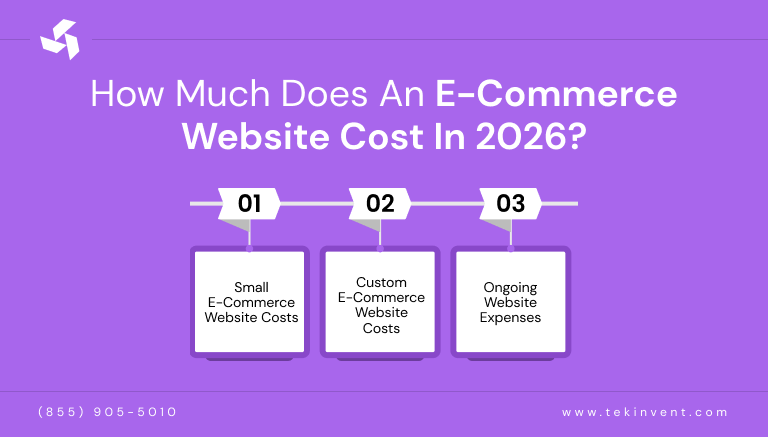
The cost of building an e-commerce website in 2026 depends on your business needs, features, and long-term goals. A small online store can cost a few hundred dollars yearly. A custom-built website with advanced features can cost US$10,000 or more in the first year.
Your total budget depends on design, development, hosting, maintenance, and scalability. Businesses with complex requirements usually invest more to create a secure, user-focused shopping experience.
1. Small E-Commerce Website Costs
A small-to-medium online store built with ready-made tools is the most affordable option. It can cost between US$200 and US$1,000 per year, depending on features.
This option is ideal for startups and small businesses that want to launch quickly. It includes basic design, standard hosting, and essential online selling features.
2. Custom E-Commerce Website Costs
A professionally designed e-commerce website costs more because it includes custom design, development, and advanced integrations. These websites often cost between US$5,000 and US$20,000 or more.
This type of website is best for businesses that need unique features, better performance, and room to grow. It offers a more branded and scalable experience.
3. Ongoing Website Expenses
The first-year cost is usually the highest because it includes setup and development charges. After launch, businesses still need to pay yearly or monthly costs.
These expenses may include hosting, domain renewals, SSL certificates, maintenance, app subscriptions, and payment processing fees. Planning helps avoid surprise costs later.
Key Factors That Affect E-Commerce Website Pricing
Several important factors determine how much your e-commerce website will cost in 2026. Understanding these factors helps you choose the right solution for your business and avoid unnecessary spending.
1. Number of Product Lines
The number of products you plan to sell can directly affect website cost. A website with only a few products is easier and cheaper to build and manage. A store with hundreds or thousands of products may require advanced filters, search functions, and inventory systems.
Larger product catalogs often need better organization and custom development to ensure a smooth shopping experience. This increases both design and development costs over time.
2. Expected Sales Volume
The volume of sales you expect to generate also impacts pricing. Websites handling large numbers of transactions require stronger servers, secure payment processing, and advanced order management systems.
As your sales grow, you may need to upgrade hosting, automate workflows, and integrate business tools. These improvements increase costs but help support long-term growth.
3. Website Traffic Expectations
The number of visitors your website attracts affects hosting and performance requirements. High-traffic websites need faster servers, content delivery systems, and stronger security protections.
A slow-loading website can hurt sales and customer trust. Investing in performance optimization creates a better user-focused experience and helps improve conversions.
4. Business Growth Plans
Your future growth plans play a major role in development costs. If you plan to expand product lines, enter new markets, or add e-commerce app development later, your website should be built to scale.
Planning may increase initial costs but saves money in the long run. A scalable website reduces the need for costly redesigns and major technical changes later.
A Simple Rule to Estimate Your Budget
As a general rule, the more products you sell and the more traffic and sales you expect, the higher your e-commerce website cost will be. A simple website selling one or two products may remain affordable, while a large-scale online store with advanced features requires a larger investment.
Choosing the right balance between affordability and functionality is important. Working with an experienced tech company like TekInvent can help you build a cost-effective, scalable, and high-performing e-commerce solution in 2026.
What to Choose – DIY Website Builders, Freelance Website Designers, or Web Development Agencies?
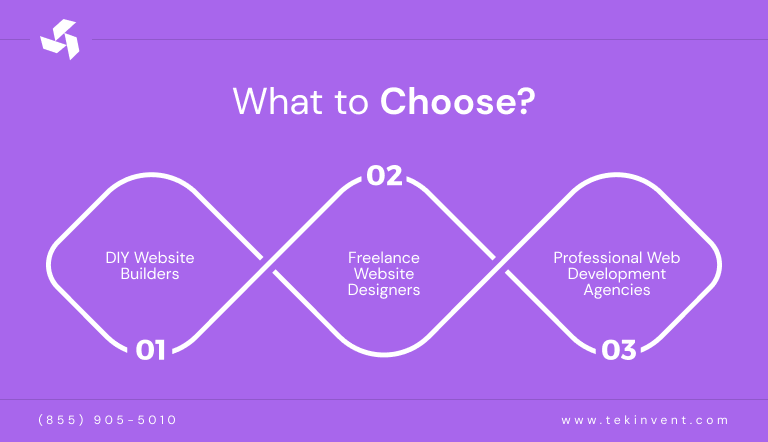
Before launching your e-commerce website in 2026, it is important to understand the costs and benefits of each development option available. You can build the website yourself, hire a freelance designer, or partner with a professional web development agency. Each option comes with different pricing, features, and long-term value. The right choice depends on your budget, customization needs, and business goals. Understanding these options helps you make a smart, cost-effective, and growth-focused decision.
1. DIY Website Builders
Do-it-yourself website builders are one of the most affordable options for businesses starting online. These platforms usually cost between US$10 and US$40 per month and often include hosting and basic tools. They are designed for users with little to no coding knowledge and offer drag-and-drop editors for easy website creation.
DIY builders often include ready-made templates for different industries and built-in tools like blogs, contact forms, and basic e-commerce features. Some advanced tools like SEO features, analytics, or third-party integrations may cost extra through add-ons or subscriptions. This makes the overall price increase over time.
This option is best for startups and small businesses with limited budgets. It works well for businesses needing a simple, user-focused website with minimal customization. However, these platforms may have limitations in flexibility, advanced features, and long-term scalability.
2. Freelance Website Designers
Hiring a freelance website designer offers a balance between affordability and customization. Freelancers typically charge between US$500 and US$5,000 depending on project size and complexity. This option gives businesses a more professional and personalized website compared to ready-made templates.
Freelancers can create custom layouts that match your brand identity and improve user experience. They can also add features like custom contact forms, booking systems, and basic e-commerce functionality. This makes freelance services ideal for businesses wanting a unique design without spending too much.
This option works best for businesses that need a more polished online presence but do not require complex functionality or long-term technical support. While freelancers can provide cost-effective solutions, support and scalability may be limited compared to larger teams.
3. Professional Web Development Agencies
Partnering with a professional web development agency is the best option for businesses that need advanced features, custom functionality, and long-term support in 2026. Agencies usually charge between US$3,000 and US$50,000 or more, depending on project size, design complexity, and required integrations. While the upfront investment is higher, businesses often benefit from a fully custom, scalable, and user-focused solution built for growth.
A professional agency handles everything from strategy and design to development, testing, and post-launch maintenance. This can include custom e-commerce stores, booking systems, membership portals, third-party integrations, and even e-commerce app development for businesses that want a mobile app. Agencies also provide ongoing support, updates, and performance improvements as your business expands.
At TekInvent, we help businesses build high-performing digital solutions tailored to their goals. As a trusted mobile app development company and web development agency, we create custom websites and e-commerce app development solutions that are secure, scalable, and designed to deliver results. Our team focuses on creating visually appealing, high-converting, and easy-to-manage platforms for businesses of all sizes.
This option is ideal for businesses with larger budgets and long-term growth plans. If you want a polished online presence with advanced features and expert support, partnering with TekInvent can be a smart long-term investment.
Final Thoughts
Building an e-commerce website in 2026 is a long-term investment that depends on your business goals, features, and growth plans. Costs can range from a low monthly setup for simple stores to a major investment for fully custom platforms with advanced functionality.
Choosing the right option matters more than just choosing the cheapest one. DIY builders work for small budgets, freelancers offer more customization, and agencies provide scalable, high-performance solutions for growing businesses.
As your business expands, your website should also grow with it. Features like advanced design, integrations, and e-commerce app development can improve performance and customer experience over time.
At TekInvent, a trusted tech development company, we help businesses build scalable and user-focused digital solutions. Our expertise in e-commerce web development ensures your online store is ready for long-term success in 2026 and beyond. Let’s get started today!

Build Smart with The Right Team.
We bring expertise, technology, and trust you look for in your digital journey.