

The future is all about eCommerce. From placing the orders online to getting it shipped and delivered to the door steps. Customers now love to spend their time online, selecting the products and then getting those delivered to them by bearing a small delivery fee.
But how to build that versatile version of an eCommerce mobile app for Miami businesses? It’s really important for businesses struggling with a strong digital identity to hire a professional eCommerce app developer who not only understands the uniqueness of the app, but also adds advanced features for extended experience.
In this blog, we are going to learn about the steps that lead to the successful creation of an eCcommerce app in Miami.
A mobile app development company in Miami is your ideal choice for building a great and versatile mobile app with all the necessary features that should be present within the app.
Are you excited to explore it with us? Let’ s get started then.
Interesting Statistics about Ecommerce Mobile Apps
Mobile commerce is rapidly overtaking desktop, with mobile app sales expected to account for 62% of all retail sales by 2027. Apps outperform mobile websites with 3x higher conversion rates and 10-30% higher average order values. Over 90% of Gen Z shoppers use mobile, and 1 in 3 US online purchases now occur on a mobile device.
- Dominant Force: Mobile commerce reached over $2.2 trillion in 2024 and is projected to reach $4.5 trillion by 2028.
- Usage Frequency: 21% of mobile shoppers access shopping apps several times a day, while 35% do so multiple times a week.
- Conversion Power: Mobile app conversion rates are 6.14%, compared to just 1.57% for mobile websites.
- Higher Value: Users in apps spend more, averaging roughly $95 per transaction, compared to $73 for website users.
- User Preference: 60% of consumers prefer dedicated mobile apps over mobile websites because of better user experience.
- Dominant Demographic: 90% of Gen Z shops on mobile at least once a week.
Top Tips To Build Your Own Ecommerce Store App
In this section, we are going to pwn down the top tips necessary for building a versatile eCommerce store:
-
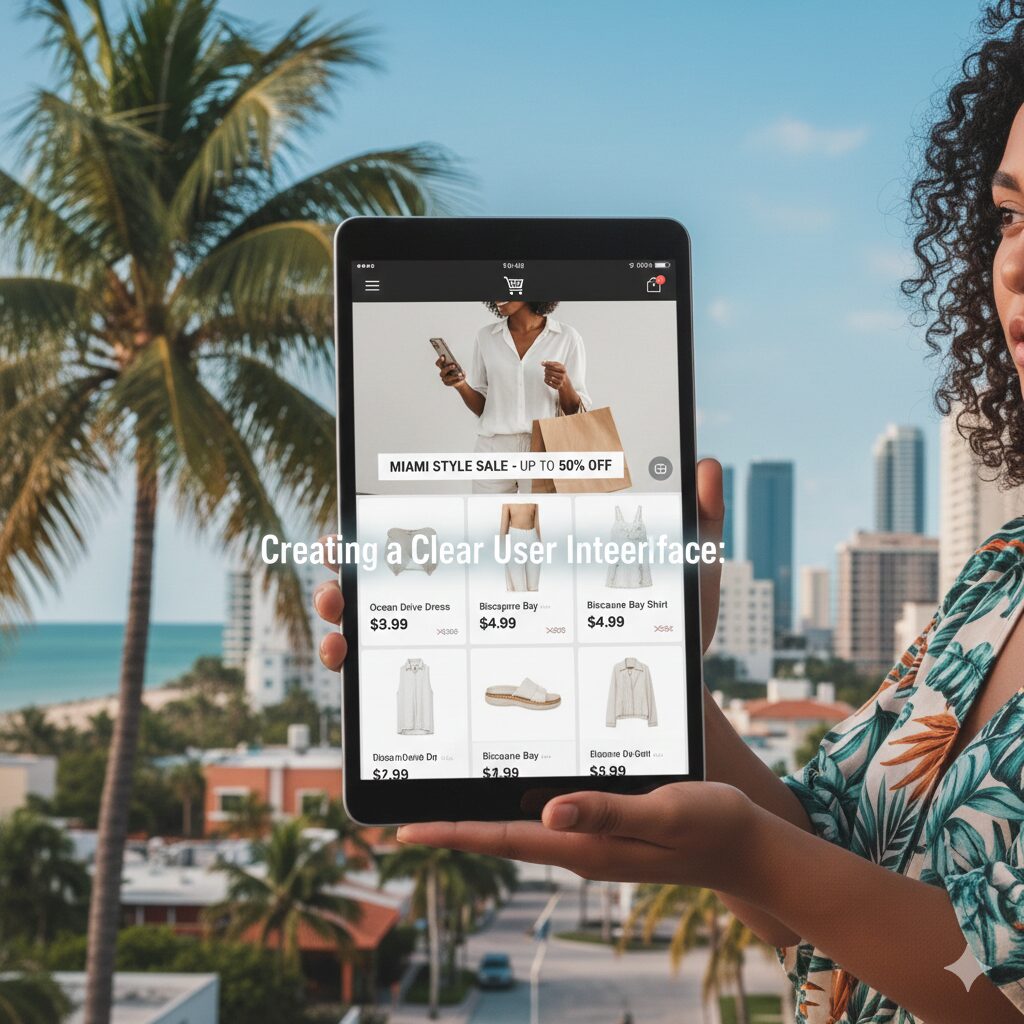
Creating a Clear User Interface:
The first step is to create a user interface that is clean, simple and easy to understand. While designing the user interface of the eCommerce store, ensure that you are choosing a minimal design that is easier for the end users to use. Make sure that the navigation on the first screen is smooth to be transit to another, and so on.
Try to remove the following things from your design of eCommerce store:
- piling up in the form of large texts and graphics
- a large number of unnecessary icons in the main menu
- too bright design with many colors
- many fonts on one page
- Complex navigation
Try to ensure that you remove these points while designing the eCommerce store.
-
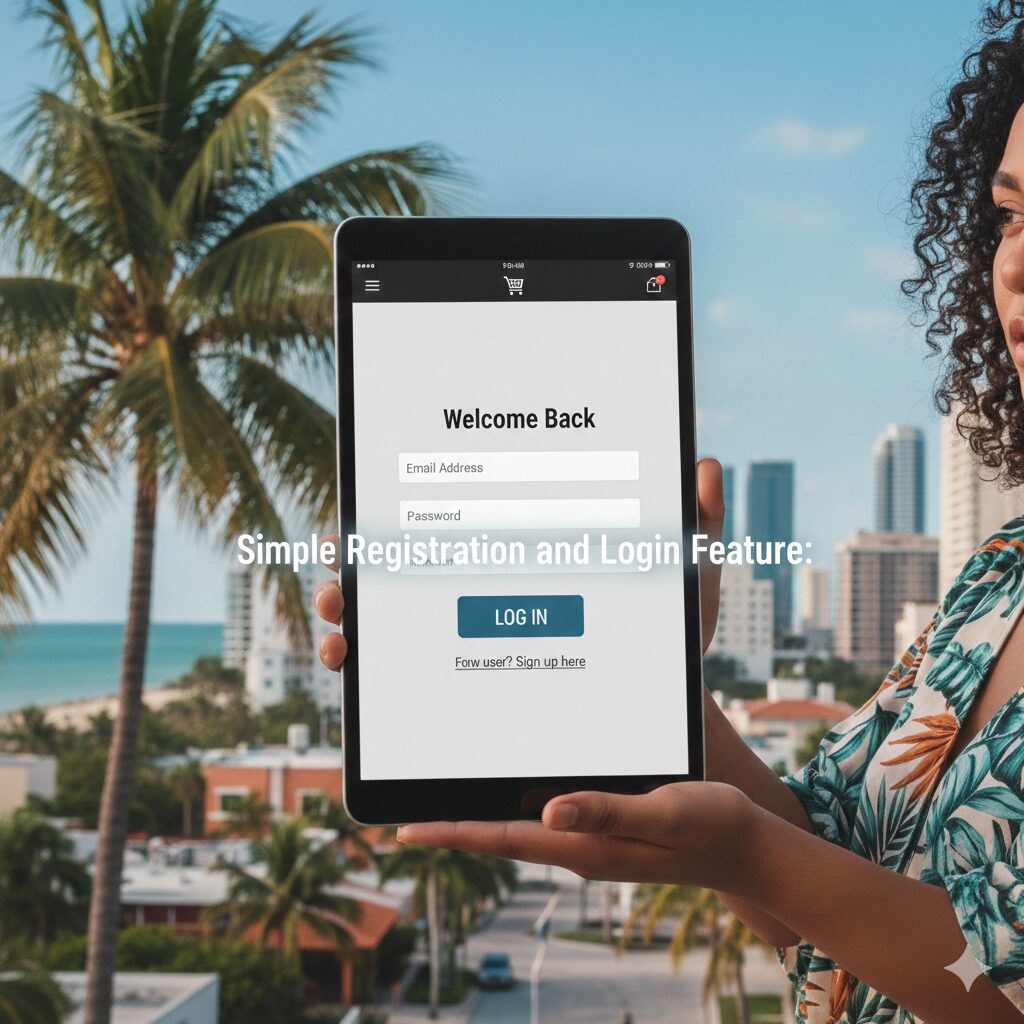
Simple Registration and Login Feature:
Whenever a customer interacts with any new app, the first thing they will have to do is register themselves for the services.
Therefore, the longest process with any mobile app is the registration and authorization process where entering the data takes time and you have to ensure everything is accurate. While adding the email address and password, the screens should be concrete and easy to understand.
For example, the most popular are Facebook and Gmail. In addition, you will be able to encourage customers to share a link to your app in their accounts with just one button, which will not waste even 1 minute of their time.
Make the registration process easier so that you can onboard more customers and get them to order from your eCommerce stores.
-
Fast Load Speed for Ecommerce Order Processing
Whenever you are placing an order through the eCommerce store, you expect things to go smoothly and fast. Nobody has the time to wait long to purchase a purse or a dress. 47% of the users expect websites and mobile apps to load in 2 seconds. That’s why the standard is made up till 2 seconds before making it live.
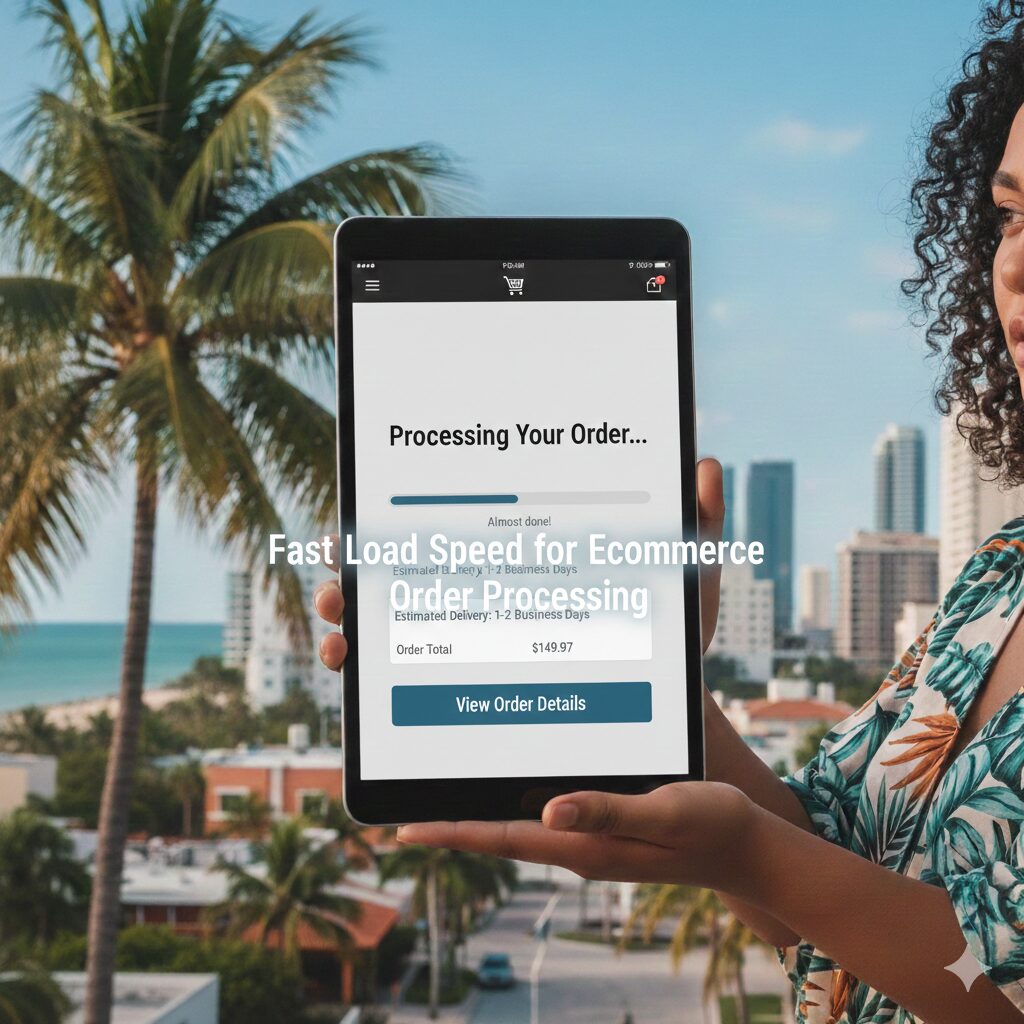
Ensure that your eCommerce mobile app is optimized in terms of performance and speed. Giving your end users the best digital experience will lead to more orders online. Try to minimize heavy graphics and ads that will also irritate the end users.
You may offer gamified offers to the customers who are coming to your store for placing the orders to give a memorable user experience,
-
Seamless Ecommerce App Navigation
The navigation of the eCommerce store should be seamless and intuitive for the customers of all ages. You can expect a customer of any age placing orders through your mobile app. Therefore, ensure that the menu is simple to understand, and the screen size appears to be the same for all platforms.
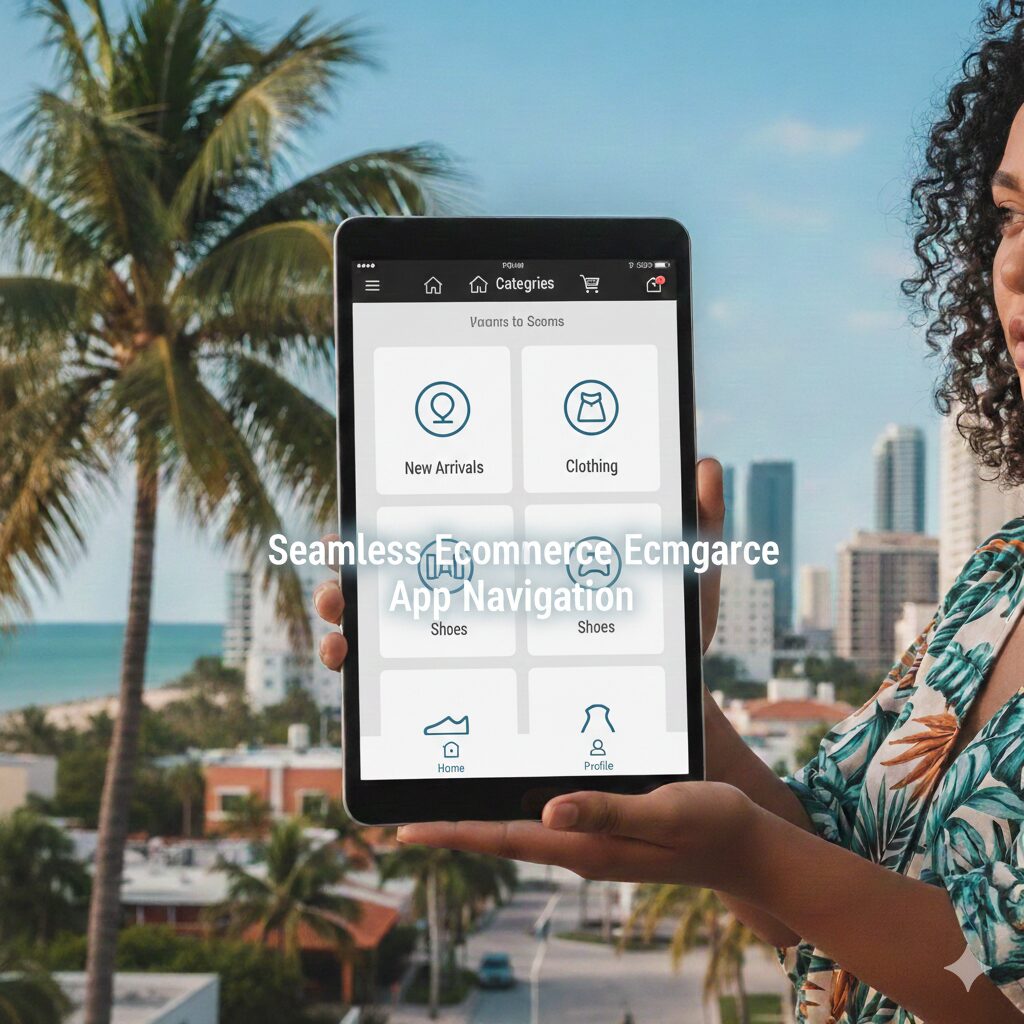
All of the buttons within the eCommerce app should be consistent for all platforms, giving an extended user experience to the customers. The more you invest into customer experience, the more your app and business will grow in terms of traffic and user retention.
-
Adding high quality Product Images
Regardless of the niche of your eCommerce store, it’s really important for you to add high quality product images to the eCommerce store. You should always try to upload high quality images that come with high resolution and fast loading time. To optimize the images, you will have to use different tools available online.
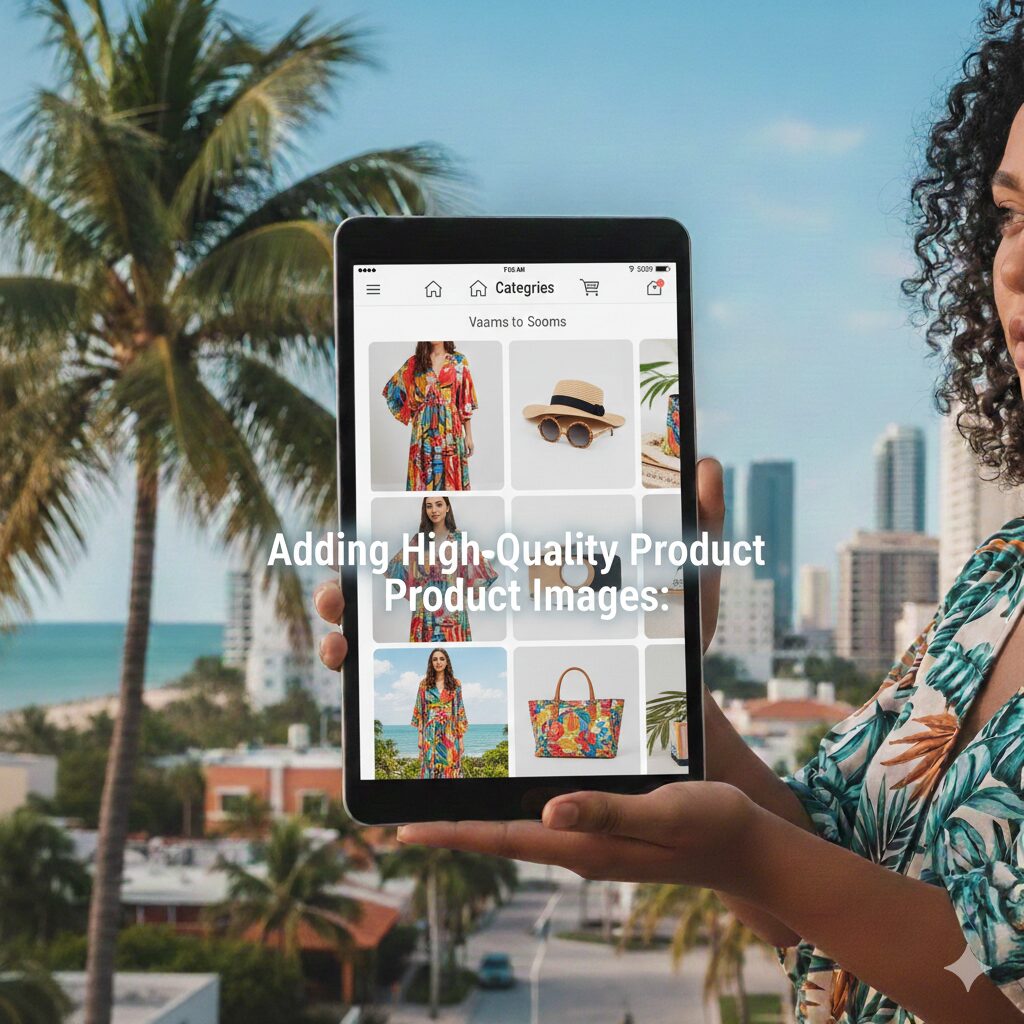
The product image should be easy to be zoomed in one touch without excessive efforts. Keep in mind that low quality images will create a bad impression of your brand in the eyes of your target audience.
The best way out is to make the products images high in quality and well optimized to make them load in seconds on the mobile phones of the users.
-
Ensuring Security for all the Data
Ecommerce stores are all about data and the data is sensitive and private both. The users who are placing the order online through the app enter their personal information which includes the card details for confirming the orders and paying online through different payment methods.

Malware attacks and hacking is really common for eCommerce stores. Therefore, the ideal app developer should focus on integrating all the security practices necessary for storing the data in the most pleasant way, secured from unauthorized access.
-
Seamless Payment Methods
There are numerous payment gateways you can integrate into an e-commerce app. The wider the range of payment options you offer, the more likely customers are to complete their purchases.
It’s worth including multiple methods—such as digital wallets, debit and credit cards, and international transfer systems—to accommodate different user preferences.
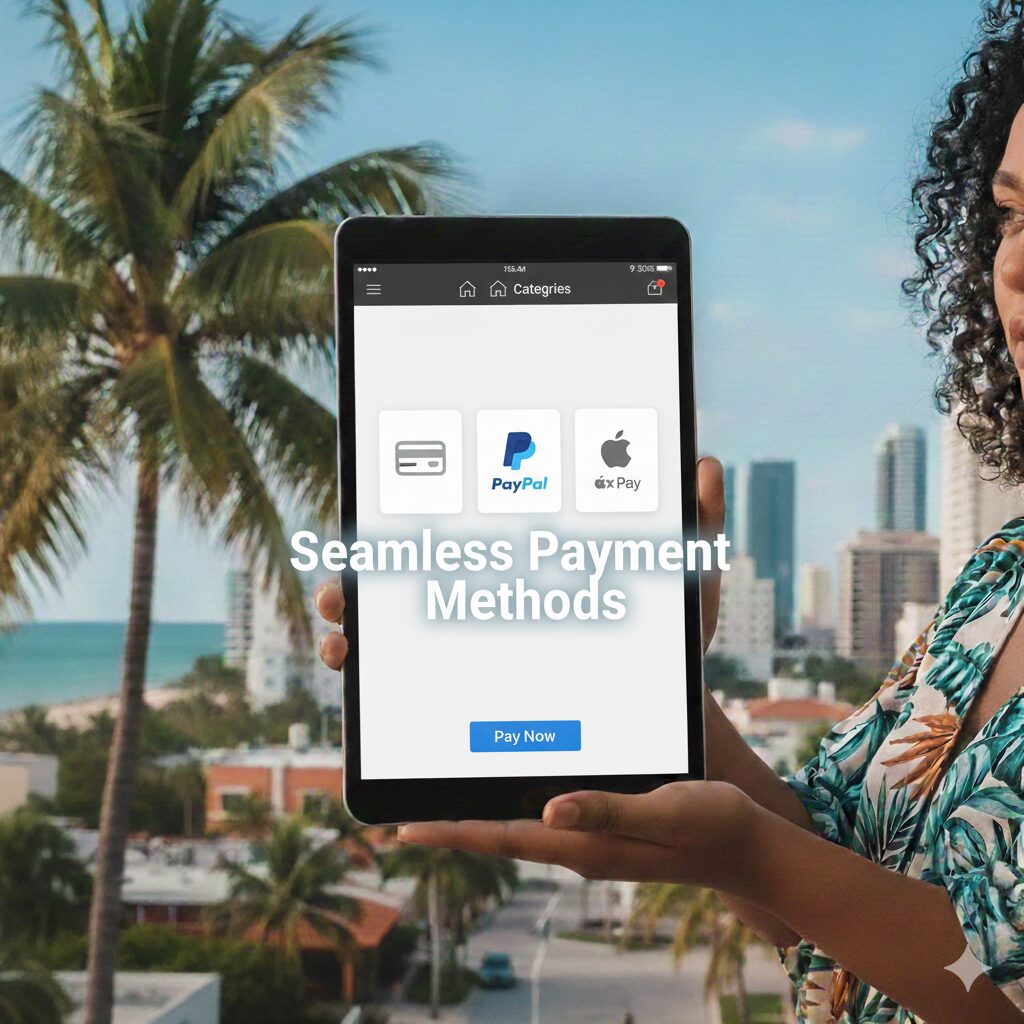
After all, the final step of the checkout process is not where you want to lose a potential buyer. Providing diverse payment options helps you reach and convert the largest possible audience.
You may opt for payment methods like, PayPal, Apple Pay, Google Pay and a lot more for extending the user experience, and offering a seamless interaction between the end users and eCommerce stores.
-
Instant Push Notification for all Users
Whenever you place an order and it’s confirmed how you get to know about it? Do you check your message or inbox yourself? No. There is a quick notification made to inform the customer about their orders being confirmed, shipped or out for delivery.
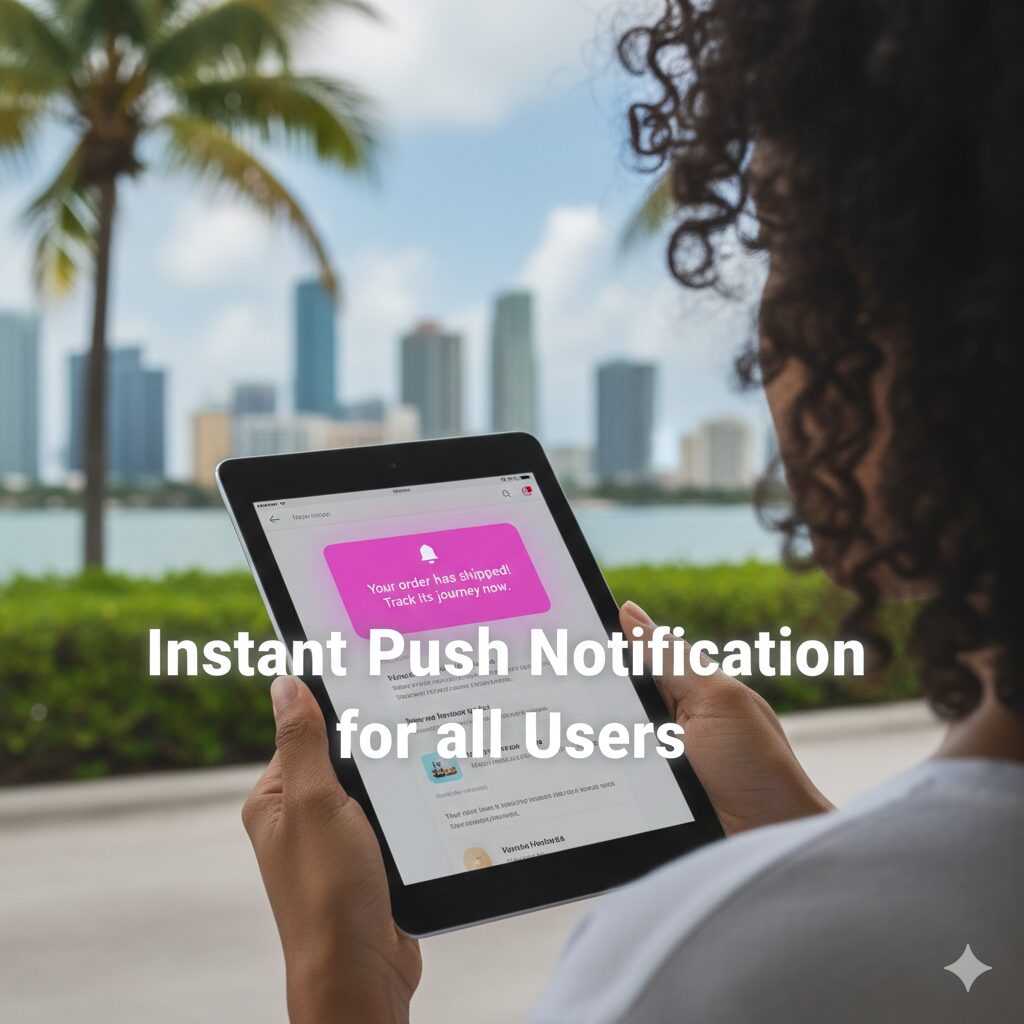
The importance for notification is really high in the eCommerce market. Even when a parcel is out for delivery, the driver is notified through the notification that they have to deliver that specific parcel to a location.
Whenever you plan to start your ecommerce store, ensure the app developers integrate push notification features within the eCommerce stores for an extended and versatile experience.
-
AR-based Features for Extended Experience
There are a lot of modernized technologies made available for the customers to give them a memorable experience. Augmented reality has played a significant role in minimizing the return ratio as now the consumers can try the articles through their mobile phones before placing the orders. AR addresses the primary reasons for returns, specifically that items look or fit differently than expected.
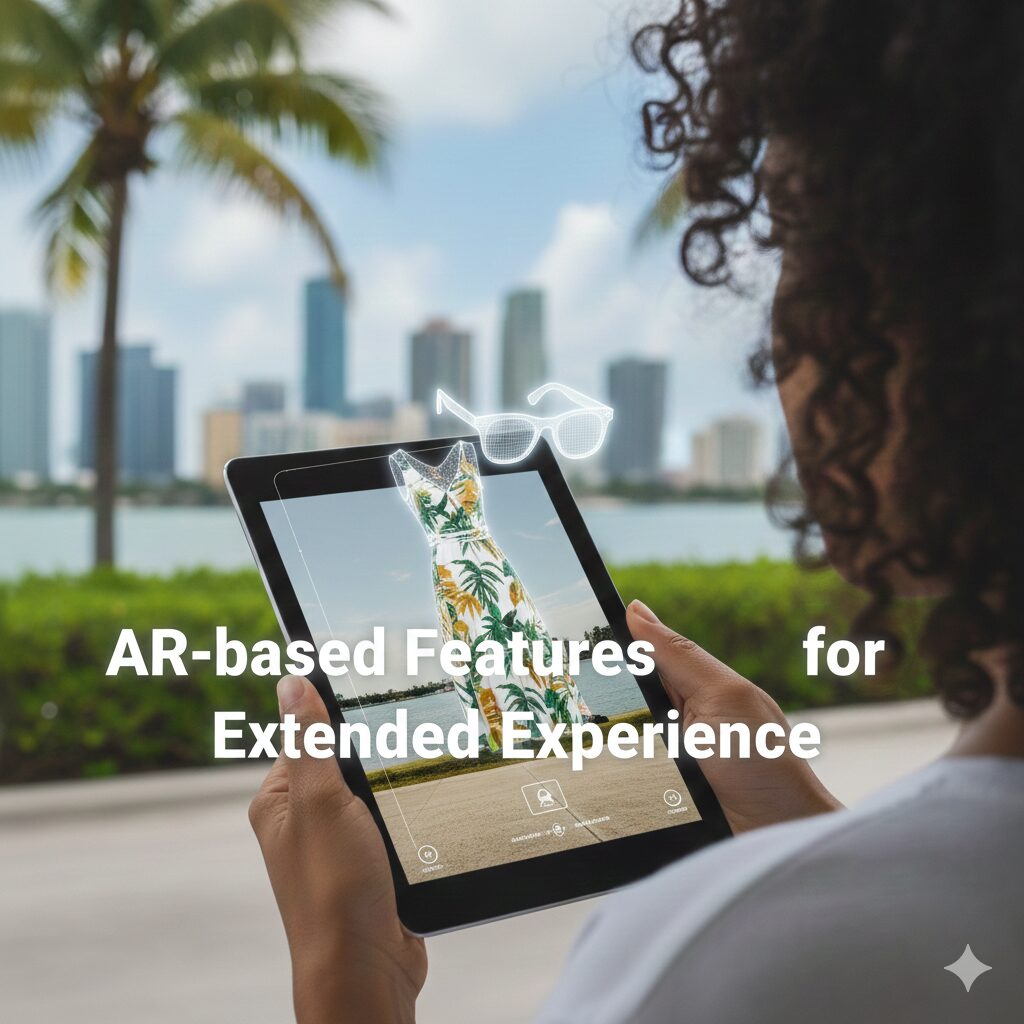
AR allows customers to visualize products in their own space, leading to a reported 40% reduction in returns. Even if you want clarification, then you may check the mobile apps of leading eCommerce stores and see how they are utilizing AR as the core technology stack for building their ecommerce stores.
-
A Clear Structure for your Ecommerce Stores
The last tip is to build a clear structure for your eCommerce mobile apps like all the eatery items should be present at one place, whereas, beauty products in another page and the lust does on.
The customers who are landing on your eCommerce mobile app don’t have enough time to sort things up and then proceed with the order placement. It’s essential for the app developers to create a menu that has all the products segmented.
It might take some time for you to process the listings but once you have done it, it will be easier for you to start the development and render the customers to the eCommerce stores. Sounds interesting?
Key Takeaway
And we are done for the day. Building an eCommerce store is not an easy task. Firstly is a long-term project where the app developers have to literally work day and night to complete the initial pages and then, the page count goes on. You can never restrict your eCommerce app with a definite number of pages as the business owner can add pages till 50 or more depending on the products they have in their inventories.
You can partner with TekInvent, a leading mobile app development agency to build your ideal eCommerce mobile app with amazing features that are mandatory for captivating the end users. Consider all the tips that we have mentioned within the blog, and feel free to share your thoughts with us.

Build Smart with The Right Team.
We bring expertise, technology, and trust you look for in your digital journey.