

Building a successful mobile app is not just about having a great idea. Turning that idea into a real, working app comes with many challenges. From technical issues to design problems and user expectations, the journey can quickly become stressful and costly if not handled properly.
Today, mobile apps are essential for businesses. They help brands connect with customers, grow faster, and stay competitive. But the development process is not simple. Teams often struggle with performance, security, platform choices, testing, and user experience. For businesses working with a mobile app development company Houston, these challenges are even more critical because competition is high and user standards are rising.
App stores are full of apps offering similar features. What makes an app successful is not just what it does, but how well it works and how users feel while using it. Speed, simplicity, trust, and value matter more than ever.
The good news is that these challenges can be managed. With the right planning, tools, and strategies, businesses can overcome common problems and build strong, reliable apps.
In this blog, we will break down the key challenges in app development and share practical ways to overcome them so you can build apps that perform well and deliver real results.
The Key Challenges and Their Solutions
Building a mobile app is not just about coding. Businesses face many technical and strategic challenges that can affect app quality, performance, and success. From device compatibility to security and user experience, each challenge needs a clear solution. Understanding these problems early helps reduce risks, save costs, and ensure smooth development.
Below is one of the most common challenges and how to solve it effectively.
1. Platform Fragmentation: From iOS to Android

Platform fragmentation happens when apps need to work across multiple platforms, devices, screen sizes, and operating systems. Android alone has hundreds of device types, while iOS has different versions and hardware models. This makes development complex, increases testing time, and raises the chances of bugs, crashes, and performance issues.
How to Overcome it?
Use cross-platform development frameworks like Flutter or React Native to maintain a single codebase for multiple platforms. Focus on responsive design, test your app on real devices and emulators, and follow platform-specific guidelines. Cloud testing tools and device labs also help ensure consistent performance across all devices.
2. The Constant Changing Goal

Start with a well-defined app plan. Document your core features, target users, and success goals in simple terms. Make sure all stakeholders agree on this vision before development starts. Regular reviews help keep the project aligned without adding unnecessary changes that do not support the main goals.
How to Overcome it?
Start with a clear app vision by defining core features, target users, and success goals before development begins, and ensure all stakeholders agree on it. Set a simple change control process where every new idea is reviewed based on value, impact on time, cost, and technical effort, and only approve changes that truly improve the product. Maintain regular communication through progress meetings and shared updates so everyone stays aligned, informed, and focused on the original goals of the project.
3. Evaluating And Validating the User Needs

Understanding user needs is one of the biggest challenges in mobile app development. With intense competition in the app market, it is difficult to create an app that truly stands out and captures user attention.
Many apps fail because they are built without a clear direction or without fully understanding what users actually want. To succeed, developers must focus on purpose, usability, and value. A strong mobile app is not just innovative, it is meaningful, easy to use, and genuinely helpful for its target audience.
How to Overcome it?
Start by clearly defining the purpose of your app and the problem it solves. Identify your target audience and understand their needs through research, feedback, and market analysis. Focus on essential features that add real value instead of adding unnecessary complexity.
Make sure the app is simple, user-friendly, and offers something better or different from competitors. When your app is built around real user needs and clear goals, it becomes easier to stand out and succeed in a crowded market.
4. Speed To Market

One common challenge in enterprise mobile app development is deciding between custom app development and ready-made off-the-shelf solutions. Many businesses wonder why they should invest in a custom app when pre-built products offer quick deployment and some level of customization.
While off-the-shelf solutions may allow a faster go-to-market, the speed of custom app development depends on factors like project complexity, scope, and resources. With the right team and infrastructure, even custom apps can be developed efficiently without compromising quality.
How to Overcome it?
Start by clearly defining your business requirements and long-term goals. Assess whether off-the-shelf products can truly meet your unique needs or if custom development will provide better scalability, security, and functionality.
Work with an experienced development team that can plan the project efficiently, use agile methodologies, and leverage proven tools to accelerate development. Prioritize features that deliver real business value first, and consider phased releases to reduce time-to-market while ensuring a tailored, high-quality app solution.
5. Performance Optimization

A visually appealing app can fail if it lags, crashes, or drains battery. Performance optimization is one of the biggest challenges in mobile app development. Users expect apps to be smooth, fast, and responsive, with minimal impact on device resources. Poor performance can lead to negative reviews, uninstalls, and high churn, regardless of how attractive the app looks.
How to Overcome it?
Focus on performance from the start. Use lazy loading so content only loads when needed, minimize API calls with caching, and optimize data handling to reduce network load. Implement efficient UI patterns like virtualized lists for large data sets to prevent memory overload. Regularly test the app on multiple devices and monitor performance continuously. By applying these practices, your app will remain fast, responsive, and reliable, ensuring a better user experience and higher retention.
6. One Too Many App Features

Adding too many features to a mobile app is a common trap for developers and entrepreneurs. In an effort to impress users or beat competitors, apps often get loaded with unnecessary functions that overwhelm users, slow performance, and complicate maintenance.
Feature bloat can make the app confusing, dilute its core purpose, and even frustrate users enough to uninstall it. Striking the right balance between functionality and simplicity is critical to creating a successful, user-friendly app.
How to Overcome it?
Focus on your app’s core value by identifying the top user problems and linking each feature directly to solving them. Start with a minimum viable product that includes only essential features, then gather real user feedback to guide future additions.
Regularly review analytics to spot underused or redundant features, simplify or remove them, and ensure every feature has a clear purpose. This approach keeps your app streamlined, user-friendly, and easier to maintain while meeting your audience’s real needs.
7. Too Many Smartphones Globally
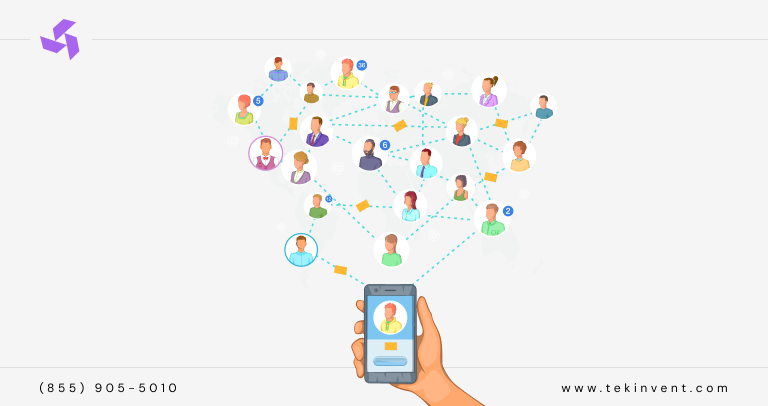
The rapid growth of smartphone usage has created a major challenge for mobile app development. With billions of devices in use across different brands, screen sizes, operating systems, and hardware capabilities, building an app that works smoothly on every device is not easy. Apps must perform well on both high-end smartphones and low-budget models. This creates serious testing and compatibility issues for development teams.
Ensuring that an app runs properly across all device types often requires large testing setups, multiple tools, and access to many real devices, which can be expensive and difficult for startups and small businesses to manage.
How to Overcome it?
Use a smart device compatibility strategy by focusing on the most commonly used devices and operating systems in your target market. Rely on cloud-based testing platforms and emulators to test apps across multiple devices without heavy infrastructure costs.
Build apps using responsive design principles and flexible layouts so they adapt easily to different screen sizes. Regular testing, automated test tools, and early performance checks help ensure smooth functionality across devices while keeping costs and complexity under control.
8. Infrastructure Cost And Maintenance Risks

Building new infrastructure for mobile app development is a complex and expensive challenge. Even large enterprises struggle when shifting to new systems, as it involves high setup costs, hiring skilled talent for development and security, continuous updates, and long-term maintenance.
On top of that, managing security standards, system upgrades, and regular updates adds operational risk. If not handled properly, these issues can affect system stability, performance, and overall business operations.
How to Overcome it?
Adopt cloud-based infrastructure and scalable platforms that reduce upfront costs and simplify maintenance. Use managed services for security, backups, and updates to avoid heavy in-house workloads.
Build a skilled but lean technical team and outsource specialized tasks when needed. Regular audits, automated updates, and centralized system monitoring can help maintain stability, reduce risks, and keep infrastructure reliable without overwhelming budgets or teams.
9. User Interface And Experience Design
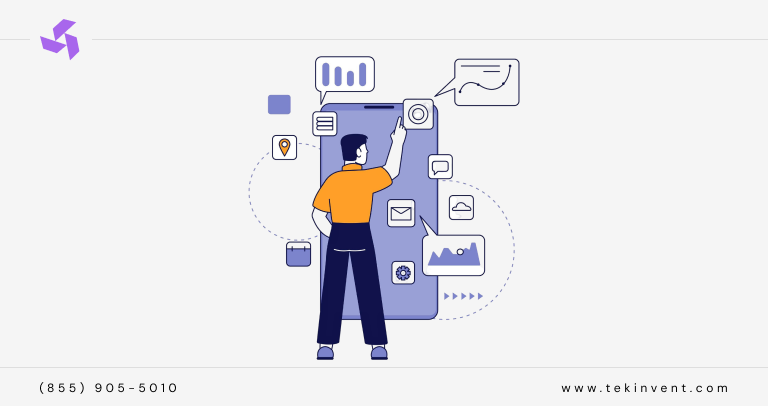
Designing an intuitive and engaging user experience is one of the toughest challenges in mobile app development. Mobile screens offer limited space, which makes it difficult to balance rich functionality with simplicity and ease of use. Even a technically perfect app can fail if users find it confusing, cluttered, or hard to navigate.
This challenge goes beyond visuals and layout. It includes designing for touch interactions, different user abilities, accessibility needs, and short attention spans. Mobile users expect speed, clarity, and effortlessness. If an app feels complicated or overwhelming, users will abandon it quickly.
Mobile apps demand a more focused design approach than web platforms. Users want to complete tasks quickly with minimal steps and friction. A strong mobile experience feels natural and effortless, guiding users smoothly without making them think about the interface itself.
Clear navigation, logical flow, and simple interactions are essential. The biggest risk is trying to do too much at once, which leads to cluttered screens, poor usability, and frustrated users.
How to Overcome it?
Design with a user-first mindset by prioritizing clarity, simplicity, and core user goals. Use progressive disclosure so advanced features appear only when needed, keeping the interface clean and easy to understand. Follow consistent design patterns, optimize layouts for touch interactions, and ensure accessibility for different user abilities.
Conduct regular usability testing to identify friction points early and refine the flow before launch. Build reusable UI components to maintain consistency across the app and focus on creating a smooth user journey rather than adding unnecessary visual or functional complexity.
10. Different Screen Sizes

Smartphone manufacturers release devices with a wide range of screen sizes, resolutions, and display ratios. Even different versions of the same model can vary in screen specifications to appeal to different user segments. This creates a major challenge for mobile app development, as applications must look and function correctly across every new screen format introduced in the market.
Screen size directly affects layout, usability, and visual consistency, making it difficult to deliver a uniform user experience. Developers are therefore required to design apps that can adapt seamlessly to multiple screen dimensions, resolutions, and orientations while maintaining usability and design integrity on every device.
How to Overcome it?
Adopt responsive and adaptive design principles that allow layouts to scale smoothly across different screen sizes and resolutions. Use flexible grids, scalable UI components, and resolution independent assets to maintain visual consistency.
Implement device independent units instead of fixed pixel values, and test layouts across multiple screen dimensions to ensure usability. Build interfaces that automatically adjust spacing, typography, and element sizing so the app delivers a consistent and accessible experience on all devices.
11. Executive Resource Time

Custom mobile app development at the enterprise level cannot be handled by a single individual. It demands a coordinated team effort that goes beyond technical development to include project management, stakeholder coordination, and client communication.
Significant time is also required for requirement gathering, discussions, reviews, approvals, and validation processes, all of which slow down progress and increase complexity. These layered dependencies and extended workflows make enterprise mobile app development a demanding and resource intensive challenge.
How to Overcome it?
Build cross functional teams with clearly defined roles and responsibilities to avoid overlap and confusion. Use structured project management frameworks to streamline communication, approvals, and decision making. Establish clear documentation processes for requirements, workflows, and validations to reduce rework.
Implement agile development practices to break large projects into manageable phases, improve collaboration, and accelerate delivery while maintaining quality and alignment across all stakeholders.
12. Security And Privacy: Protecting User Trust

Building strong security and protecting user privacy is one of the most critical challenges in mobile app development today. With rising cyber threats, frequent data breaches, and increasing user awareness around privacy, an app’s success now depends heavily on how well it protects sensitive information. This challenge goes beyond stopping hackers. It is about earning user trust by securing personal data, protecting communications, and meeting global data protection regulations.
Developers must safeguard data both while it is being transmitted and while it is stored, which requires advanced security practices, continuous monitoring, and a strong understanding of secure system design. The real difficulty lies in implementing high level security without making the app complex or frustrating for users.
How to Overcome it?
Adopt a security first approach by designing protection mechanisms from the very beginning of development instead of adding them later. Use multi layer security strategies that include secure authentication, encrypted data storage, and protected network communication. Follow industry security standards and best practices to ensure consistent protection across platforms.
Implement strong access control, regular security testing, and continuous vulnerability monitoring. Combine privacy by design principles with regular updates and audits to maintain long term trust, protect user data, and ensure compliance with data protection regulations.
13. Integration With Existing Systems
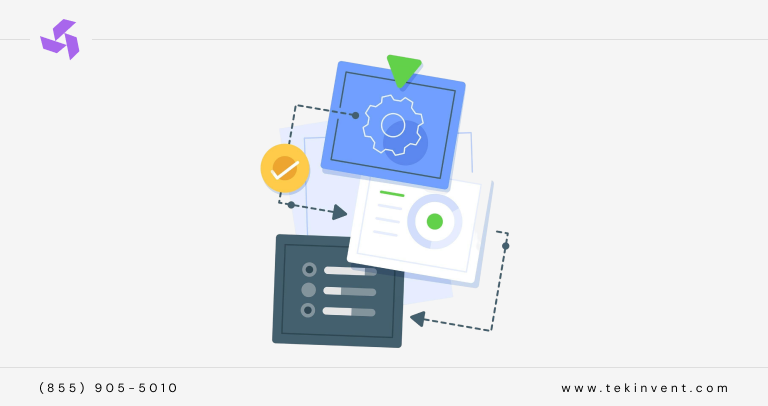
Integrating apps with legacy systems, third-party platforms, and complex enterprise infrastructures is difficult due to outdated architectures, limited documentation, and incompatible data formats. These systems were not built for modern mobile environments, making integration slow, risky, and error-prone while increasing the chances of delays, failures, and performance issues.
How to Overcome it?
Start with a clear system analysis to map data flows and dependencies. Use middleware to manage data transformation and system communication. Build flexible, well-documented APIs with versioning and automated testing. Early testing, structured planning, and scalable integration architecture help reduce risks and ensure smooth, long-term system connectivity.
14. Different Types Of Mobile Apps

Choosing between native, web, and hybrid apps creates a complex challenge for businesses. Each model has different performance, compatibility, maintenance, and scalability demands, making it difficult to ensure consistent functionality, smooth user experience, and seamless performance across multiple devices and platforms without increasing cost, time, and technical complexity.
How to Overcome it?
Choose a development strategy based on your business goals, target users, and performance needs rather than trends alone. Work with a skilled technology partner that can evaluate your requirements, select the right app model, ensure cross-device compatibility, and implement strong testing processes. This approach helps deliver consistent performance, better user experience, and long-term scalability across all platforms.
15. Ongoing Development And Support Risks
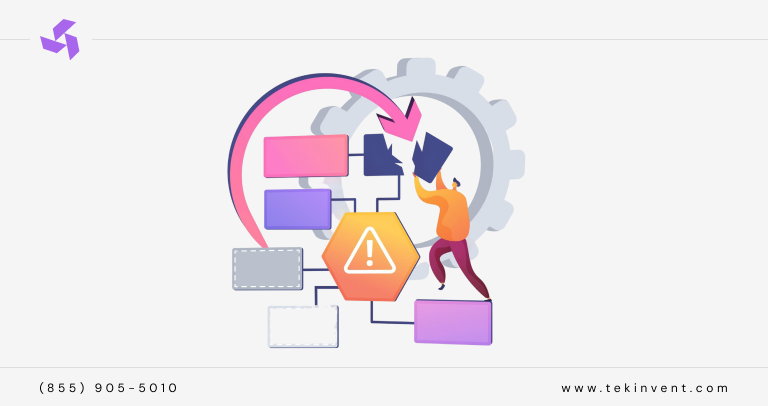
Custom mobile app development comes with unique feature requirements that off-the-shelf products cannot fulfill. This can lead to unexpected issues such as unstable releases, bugs, and declining user adoption, which may frustrate users and affect overall app success. These unpredictable risks make enterprise mobile app development more complex and demanding.
How to Overcome it?
Mitigate these risks by thoroughly planning and documenting app requirements before development. Implement robust testing and QA processes to catch bugs early, and gather user feedback to refine features. Adopt agile development practices to handle changes efficiently and maintain frequent updates, ensuring the app remains stable, reliable, and user-friendly.
16. Backend Integration And API Management
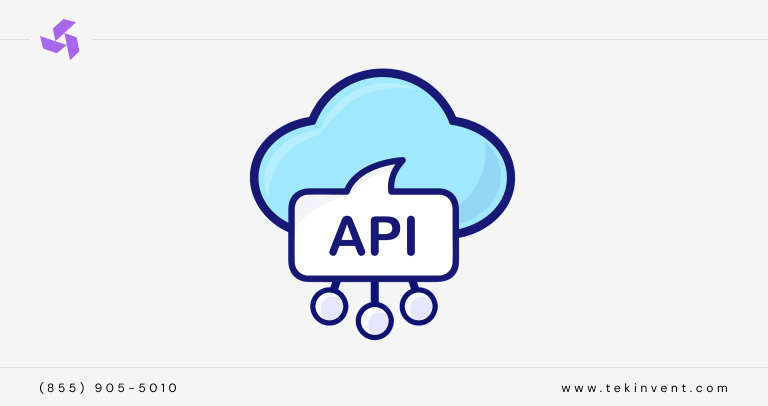
A mobile app’s effectiveness depends on its backend. Ensuring seamless and reliable communication with servers is a major challenge. Apps must fetch data, authenticate users, and process transactions through APIs, all while handling slow networks, intermittent connectivity, and complex data synchronization. Poor backend integration can lead to delays, errors, and a frustrated user experience.
How to Overcome it?
Plan backend integration carefully by implementing robust error handling, intelligent caching, and offline-first strategies. Optimize data transfer and use efficient formats to reduce latency. Adopt a unified development framework so data-fetching logic works across platforms, ensuring consistent, reliable communication with servers. This creates fast, stable apps that perform well even under challenging network conditions.
17. Keeping Up With Technological Changes

Technology evolves rapidly, and tools or frameworks that were state-of-the-art yesterday can quickly become outdated. Keeping a mobile app relevant and maintainable requires staying updated with new technologies, best practices, and development tools. Falling behind can slow development, increase maintenance costs, and reduce the app’s competitiveness.
How to Overcome it?
Encourage continuous learning by dedicating time for training, experimentation, and proof-of-concept projects. Use a modular architecture with loosely coupled components to simplify updates and replacements. Regularly review your tech stack, monitor emerging tools, and plan migrations proactively to ensure your app stays current, scalable, and efficient.
18. Heavy Battery Usage

Excessive battery consumption is a major issue for mobile apps. Users expect apps to run smoothly without draining their device’s battery. Apps with high-quality visuals, multiple interactive features, or poor memory management can quickly deplete power, frustrating users and leading to uninstalls. Ensuring efficient performance across devices is essential.
How to Overcome it?
Excessive battery consumption is a major issue for mobile apps. Users expect apps to run smoothly without draining their device’s battery. Apps with high-quality visuals, multiple interactive features, or poor memory management can quickly deplete power, frustrating users and leading to uninstalls. Ensuring efficient performance across devices is essential.
19. Finding The Right Development Team

Finding skilled talent for enterprise mobile app development is a major challenge. Many companies lack an in-house team with expertise in multiple programming languages, cross-platform development, and Progressive Web Apps. The competition for qualified developers is high, and a rushed hiring process can slow down projects or affect quality.
How to Overcome it?
Finding skilled talent for enterprise mobile app development is a major challenge. Many companies lack an in-house team with expertise in multiple programming languages, cross-platform development, and Progressive Web Apps. The competition for qualified developers is high, and a rushed hiring process can slow down projects or affect quality.
20. Promotion And Marketing Of The App

Marketing a mobile app is often one of the biggest hurdles. Many development agencies focus on technology but overlook business and marketing strategies. Without proper promotion, even a well-built app can fail to gain visibility, attract users, or generate revenue. Key concerns include app store discoverability, monetization, installation ease, and user engagement.
How to Overcome it?
Develop a clear marketing strategy alongside app development. Optimize your app store listing with strong visuals, descriptions, and keywords to boost visibility. Choose the right monetization model for your target audience. Simplify the installation process and use onboarding tutorials to engage users from the start. Promote your app across social media, email campaigns, and other digital channels to attract and retain users effectively.
Final Thoughts
Mobile app development comes with many challenges, but each hurdle is also an opportunity to improve your product and processes. By planning ahead, focusing on user needs, and addressing issues like performance, security, and cross-platform compatibility from the start, you can turn potential problems into strengths.
Proactive strategies in UI/UX design, backend integration, and app marketing help you build an app that is not just functional but also future-ready. Avoiding feature overload, ensuring smooth performance, and keeping your app secure creates a reliable and enjoyable experience for users.
Success in app development is about progress, not perfection. Staying agile, listening to users, and continuously learning helps you adapt to change, deliver impact, and build an app that truly resonates. By following these approaches, you can overcome development challenges and create a mobile app that drives real results for your business.
Take the next step and unlock your app’s potential. With careful planning, the right strategies, and expert support, you can transform challenges into opportunities and launch a mobile application that stands out.

Build Smart with The Right Team.
We bring expertise, technology, and trust you look for in your digital journey.