

Retail in 2026 moves faster than ever before. Businesses must adapt quickly to meet the expectations of digitally driven and mobile-first customers. Changing consumer behavior and rapid technology growth continue reshaping the retail industry.
Partnering with a reliable mobile app development company Miami helps retailers stay competitive in this fast-moving market. Smartphone usage has transformed how people shop. Mobile app development now plays a central role in delivering convenience, speed, and personalized shopping experiences. Brands can connect with customers through intuitive, always-accessible digital platforms.
Retail mobile apps are redefining brand interactions. Customers can browse products, place orders, track deliveries, and receive smart recommendations directly from their devices. These experiences strengthen trust, improve engagement, and increase long-term loyalty.
Growing competition has pushed retailers to focus on performance-first design, fast loading experiences, secure payments, and intelligent features. AI-driven personalization, smart search, and immersive technologies now shape how modern retail apps function.
Mobile applications are no longer optional tools. They are now core business assets that drive growth, customer retention, and digital transformation. Retail strategies in 2026 are built around scalable, intelligent, and user-focused mobile solutions.
Evolution of Mobile Apps in the Retail Industry
Retail has shifted from physical-first stores to digital-first shopping ecosystems. Mobile technology and e-commerce growth have changed how consumers browse, compare, and purchase products across multiple platforms.
Shoppers now expect fast, seamless, and always-available experiences. Mobile apps meet these demands by enabling instant access to stores, flexible purchasing options, and uninterrupted shopping journeys across devices.
Retail mobile applications now act as full-service digital storefronts. They deliver smart recommendations, personalized offers, secure payments, and simplified navigation that improve convenience and decision-making.
Features like loyalty programs, in-app support, and digital rewards strengthen customer relationships. These tools help brands build long-term trust while increasing repeat purchases and engagement.
Different types of retail apps now serve different business models and customer needs. Each app category focuses on specific functions, making it easier for retailers to choose solutions that support growth and expansion.
Key Features of Mobile E-Commerce Apps
Mobile e-commerce apps are changing how people shop. They make buying easier, faster, and more personal. These features help businesses improve customer experience, increase sales, and build long-term loyalty.
1. Smart Notifications and Alerts

Mobile apps send instant updates about discounts, new arrivals, and restocked products. These notifications keep customers informed and encourage them to return to the app. It helps brands stay connected with users daily.
2. Secure In-App Payments

Apps offer safe and simple payment options like digital wallets, one-tap checkout, and biometric login. These features reduce checkout time and build customer trust through strong security systems.
3. Loyalty Program Integration
Customers can earn points, unlock rewards, and access special offers directly inside the app. This creates stronger relationships with customers and encourages repeat purchases.
4. Live Inventory and Order Tracking

Users can see real-time product availability and track their orders easily. This removes confusion, improves transparency, and builds confidence in the buying process.
5. Location-Based Services and Store Navigation

Apps use location data to show nearby offers and guide users inside physical stores. Customers can quickly find products, discounts, and promotions without wasting time.
6. Social Media Connectivity

Shoppers can share products, write reviews, and recommend items through social platforms. This increases brand visibility and helps businesses reach new customers naturally.
7. Augmented Reality Shopping Experience

AR features allow users to preview products before buying them. Customers can try clothes, view furniture in rooms, or see products in real settings, which improves buying confidence.
8. Voice Search and Smart Assistants

Voice search helps users find products quickly without typing. Virtual assistants guide users through shopping, making the experience easier and more accessible.
9. Omnichannel Shopping Experience
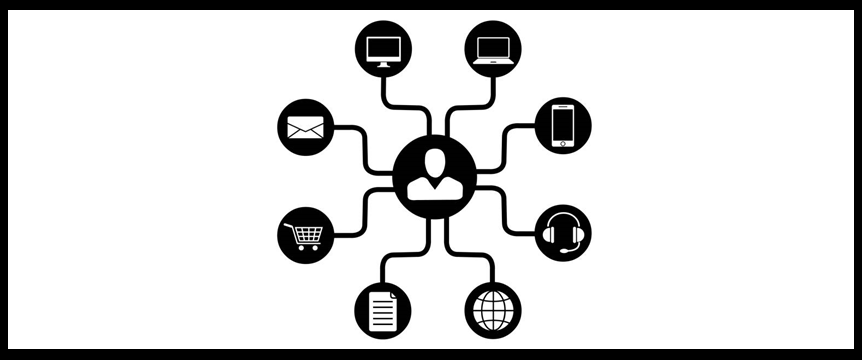
Mobile apps connect online stores, websites, and physical shops into one system. Customers enjoy a smooth experience across all platforms without confusion or disruption.
Top 5 Ways to Enhance Customer Engagement Through Mobile Apps
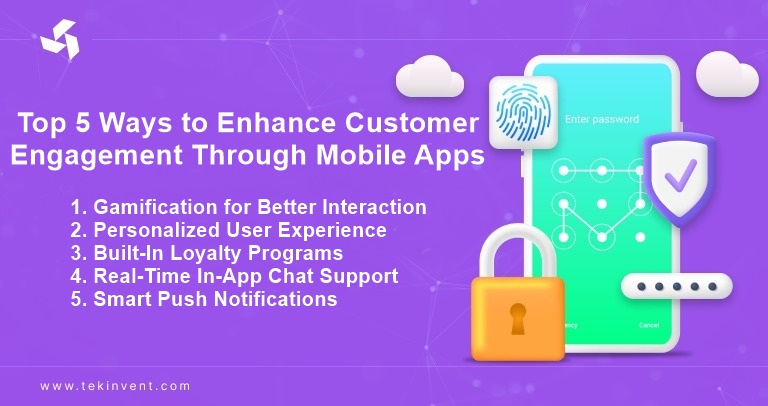
Customer engagement is the key to building trust, loyalty, and long-term relationships. Mobile apps help businesses stay connected with users and create better digital experiences. These strategies help keep users active, interested, and emotionally connected to your brand.
1. Gamification for Better Interaction
Adding features like reward badges, challenges, spin wheels, and progress levels makes the app more fun to use. Customers enjoy interactive experiences, which motivates them to open the app more often and stay engaged longer.
2. Personalized User Experience
Apps can use customer behavior and preferences to show relevant products, offers, and content. This makes users feel valued and understood, which increases interest and improves conversion rates.
3. Built-In Loyalty Programs
Loyalty programs inside the app allow users to collect points, unlock rewards, and receive exclusive offers. This encourages repeat purchases and builds long-term relationships with customers.
4. Real-Time In-App Chat Support
Live chat support helps users get instant answers to their questions. Fast support builds trust, improves satisfaction, and reduces frustration during the buying process.
5. Smart Push Notifications
Timely notifications about discounts, new launches, and special offers bring users back to the app. Personalized alerts make customers feel connected and increase daily engagement.
Omnichannel Retailing and Mobile Integration
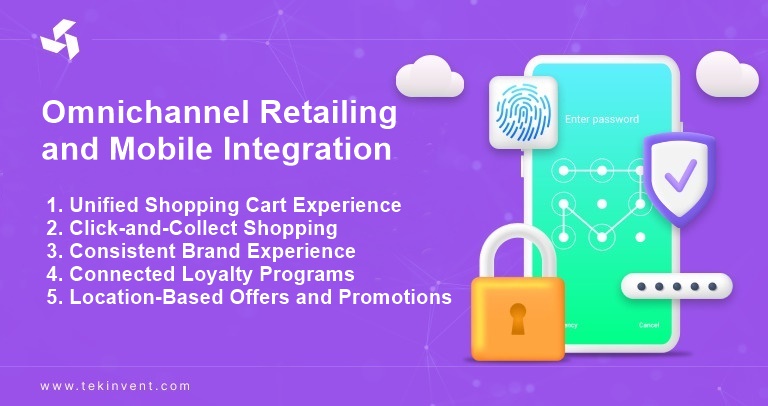
Omnichannel retailing means giving customers one smooth shopping experience across all platforms. Mobile apps play a powerful role in connecting online stores, physical shops, and digital channels. Customers can browse, shop, and buy without facing breaks in their journey.
By linking mobile apps with in-store systems, businesses allow customers to shop anytime and anywhere. This creates comfort, trust, and convenience. It also improves satisfaction and builds long-term customer relationships.
1. Unified Shopping Cart Experience
Customers can add products to their cart from the mobile app and complete their purchase online or inside the store. This keeps their shopping journey smooth and uninterrupted across platforms.
2. Click-and-Collect Shopping
Users can order products through the app and pick them up from a nearby store. This saves time, reduces waiting, and ensures product availability before visiting the store.
3. Consistent Brand Experience
Customers see the same offers, colors, messaging, and promotions across the app, website, and physical store. This builds brand trust and creates a strong brand identity.
4. Connected Loyalty Programs
Loyalty points and rewards work across all platforms. Customers can earn rewards online and redeem them in-store, making the experience simple and motivating.
5. Location-Based Offers and Promotions
Mobile apps use location data to send special discounts when customers visit a store. This creates personalized offers and increases foot traffic in physical locations.
Emerging Mobile App Trends in Retail
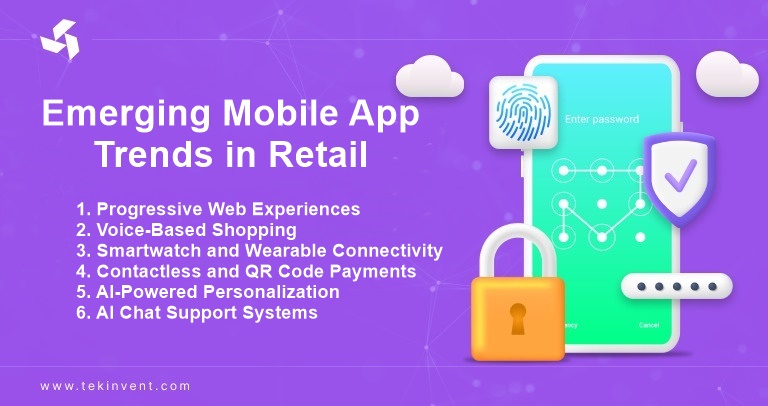
Retail mobile apps are changing fast because of new digital technologies. These changes are making shopping quicker, safer, and more comfortable for customers. Businesses are now using smart tools to improve user experience, simplify shopping, and increase customer satisfaction.
Modern retail apps are no longer just for buying products. They now support smart features that help customers shop easily, get help instantly, and enjoy personalized experiences. Below are the most important trends shaping retail mobile app development today.
1. Progressive Web Experiences
Progressive web apps give users the speed of websites and the features of mobile apps. Customers can use them without downloading anything. They load fast, work offline, and offer smooth performance on all devices.
2. Voice-Based Shopping
Voice search is making shopping easier for users. Customers can search products, check prices, and place orders using simple voice commands. This improves comfort and makes shopping faster, especially for busy users.
3. Smartwatch and Wearable Connectivity
Retail apps now connect with smartwatches and wearable devices. Customers receive instant alerts, track reward points, and get order updates directly on their devices. This keeps users connected at all times.
4. Contactless and QR Code Payments
Mobile apps now support touch-free payments and QR scanning. This allows customers to pay safely in stores without physical contact. It also makes checkout faster and more secure.
5. AI-Powered Personalization
Artificial intelligence helps apps understand user behavior. It suggests products, shows relevant offers, and personalizes content. This creates better shopping experiences and increases customer engagement.
6. AI Chat Support Systems
Smart chatbots provide customer support day and night. They answer questions, help with orders, and solve problems instantly. This improves service quality and reduces waiting time.
How Mobile Apps Help Retail Businesses Grow?
Retail mobile apps give businesses powerful tools to compete in a crowded market. They improve customer engagement, increase sales, and make daily operations smoother. With modern technologies, retailers can serve customers better and run their business more efficiently.
Mobile apps are no longer just sales tools. They now support marketing, customer service, inventory control, and business growth in one connected system.
1. Smart Personalized Marketing
Retail apps collect user behavior data and shopping patterns. This helps businesses create personalized offers, product suggestions, and promotions for each customer. Personalized marketing increases trust and improves conversion rates.
2. AI-Based Stock Planning
AI-powered apps study buying trends and customer demand. They help predict what products will sell and when. This reduces out-of-stock issues and prevents overstocking, saving money and improving supply chain planning.
3. Data-Powered Store Optimization
Mobile apps provide insights into customer preferences and buying habits. Retailers can use this data to improve store layouts, product placement, and promotions. This creates better in-store experiences and increases sales.
4. Easy Customer Feedback Systems
Apps make it simple for customers to share reviews and suggestions. Businesses receive instant feedback and can quickly improve products, services, and support. This builds stronger customer relationships.
5. Location-Based Marketing Offers
Geo-location features send offers and notifications to customers when they are near a store. These targeted promotions increase store visits and improve local sales performance.
6. Simple Returns and Refunds
Retail apps make returns easy for customers. Digital receipts, in-app return requests, and tracking systems remove confusion and frustration. This improves customer trust and post-purchase satisfaction.
Key Challenges in Building Retail Mobile Apps
Creating a successful retail mobile app is not just about design and features. Businesses face many challenges, from keeping data safe to delivering a smooth user experience. Solving these problems is important to build trust and long-term customer relationships.
Retailers must focus on both technology and user needs to create apps that are secure, reliable, and easy to use.
1. Data Protection and App Security
Retail apps store sensitive customer information like personal details, payment data, and purchase history. This makes security a top priority. Strong encryption, secure login systems, biometric authentication, and regular security checks help protect users from data leaks and cyber threats. A secure app builds trust and customer confidence.
2. Balancing Privacy and Personalization
Retail apps use customer data to offer personalized deals and recommendations. However, businesses must follow privacy laws like GDPR and CCPA. Retailers need to collect only necessary data, store it safely, and give users control over their information. This creates a balance between personalization and privacy protection.
3. Consistent Experience on All Devices
Customers use different devices such as phones, tablets, and smart devices. A retail app must look good and work smoothly on all screen sizes. Simple navigation, fast loading, and responsive design help create a seamless experience that keeps users satisfied.
4. Standing Out in a Crowded App Market
App stores are full of retail apps competing for attention. Getting users to download and keep using an app is a big challenge. Retailers need strong branding, useful features, and smart engagement strategies like loyalty rewards, personalized offers, and regular updates to retain users.
Top Retail Mobile Apps Influencing Miami’s Digital Shopping Scene
Modern retail apps are changing how people shop by making buying faster, easier, and more convenient. These platforms show how strong mobile app development can build customer trust, loyalty, and long-term engagement. Many leading brands have created powerful mobile experiences that set examples for the retail industry.
Below are some standout retail mobile apps that show how digital shopping success is built through smart features and user-focused design.
1. Instacart

Instacart has changed grocery shopping by making it simple and fast. Users can order groceries from nearby local stores and get them delivered to their homes, often within one hour. The app allows customers to save shopping lists, reorder items easily, and choose contactless delivery options. This convenience builds trust and makes everyday shopping stress-free for busy users.
2. eBay

eBay continues to stay relevant by offering a trusted platform for buying and selling new, used, and rare products. Its auction system and resale marketplace attract collectors and bargain hunters. The platform supports long-term user trust by creating a safe buyer and seller environment. eBay also supports the growing circular economy by promoting reuse and resale instead of waste.
3. OfferUp

OfferUp focuses on local buying and selling within communities. It allows people to trade products safely with others nearby. The app builds trust through secure messaging, user profiles, and simple listing features. Its success shows how local marketplaces can grow into strong digital platforms while still keeping a community-first approach.
4. Walmart

Walmart’s mobile app connects digital shopping with physical stores in a smooth way. Customers can order online, choose curbside pickup, or get local delivery. The app shows real-time stock availability and price updates, helping users shop smarter. Walmart’s model proves how physical stores and mobile apps can work together to create a powerful omnichannel experience.
5. Temu

Temu has become one of the most popular shopping apps by offering low prices and a wide range of products. From clothing to electronics, it focuses on value-driven shopping for budget-conscious users. Its fast growth shows how strong pricing strategies and wide product selection can help apps scale quickly in competitive markets. Temu’s success highlights the power of affordability combined with simple mobile shopping experiences.
Final Thoughts
Miami’s retail industry is moving fast toward a digital-first future, and mobile apps are at the center of this transformation. In 2026, customers expect speed, simplicity, personalization, and secure digital experiences in every part of their shopping journey. Retail businesses that invest in mobile app solutions are no longer just improving convenience, they are building stronger relationships, deeper trust, and long-term customer loyalty.
Mobile apps now support every stage of retail growth, from marketing and sales to customer service, inventory control, and business intelligence. Features like AI personalization, smart payments, omnichannel integration, and real-time data insights help retailers stay competitive in a rapidly changing market. These technologies allow businesses to respond faster to customer needs and adapt to new shopping behaviors.
For Miami retailers, mobile apps are not just a trend. They are a growth strategy. Brands that adopt scalable, secure, and user-focused mobile solutions position themselves for long-term success in an increasingly digital economy.
At TekInvent, we help businesses turn these opportunities into real results. As a trusted mobile app development company Miami, TekInvent builds secure, scalable, and high-performance retail apps designed for growth, engagement, and long-term success. If your business is ready to embrace digital transformation, mobile solutions are the future and the future is already here.

Build Smart with The Right Team.
We bring expertise, technology, and trust you look for in your digital journey.