
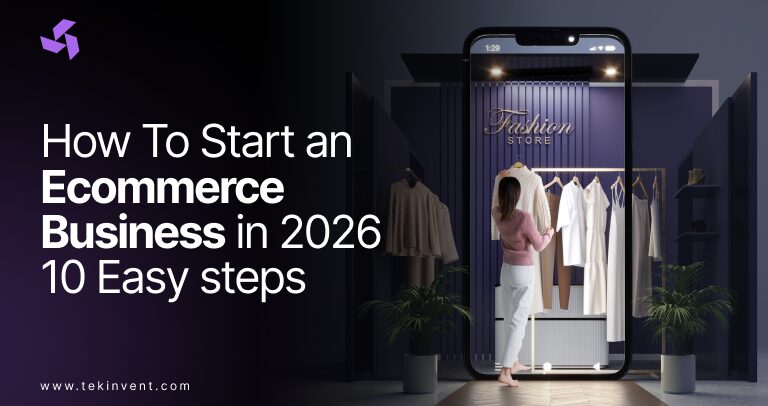
It’s 2026. Money feels tighter than ever. The economy is unpredictable. Job security is a myth. Maybe your last stable role quietly disappeared or maybe you are still employed but painfully underpaid. Meanwhile, your TikTok and Instagram feeds are full of people building businesses, selling products, and somehow making it work.
Annoying? Yes. Wrong? Not entirely.
Here is the truth. Starting an ecommerce business in 2026 does not require a warehouse full of inventory or years of technical expertise. You do not need to know how to code, and you do not need a suitcase full of startup cash.
What you do need is a clear plan, the right tools, and the drive to create something that works for you. Ecommerce is no longer just a trend. It is a space where anyone with the right strategy can reach customers, grow a brand, and turn ideas into real revenue.
This ecommerce app development guide is about reality. If you have been waiting for the right time to start an online business, this is it. Not because the economy is perfect, but because the opportunities to connect with customers have never been greater.
What is An Ecommerce Business?

An ecommerce business is any business that sells products or services over the internet. Instead of a physical storefront, customers interact with a virtual shop where they can browse products, add items to a digital shopping cart, and complete purchases using secure online payment systems. Ecommerce businesses can be small niche stores, individual entrepreneurs, or massive global marketplaces, all leveraging digital platforms to reach customers anywhere in the world.
The scale of ecommerce today is staggering. Over 33 percent of the world’s population shops online, making ecommerce a US$6.8 trillion industry in 2026, with projections to reach US$8 trillion by 2027. Around 2.77 billion people across the globe are making purchases through dedicated ecommerce platforms or even directly via social media stores.
For marketers looking to harness the power of ecommerce, these numbers highlight a huge opportunity. By understanding the trends and data behind online shopping, businesses can make smarter, data-backed decisions that drive growth. Global retail sales are projected to surpass US$3.8 trillion in 2026, reflecting continued expansion in online shopping, mobile commerce, and omnichannel experiences. Looking ahead, that figure is expected to exceed US$4.9 trillion by 2030, proving that ecommerce is not just a passing trend, but the future of retail.
Whether you are starting a small shop or planning to scale into a global marketplace, ecommerce offers the tools, platforms, and reach to connect with customers anywhere and grow a sustainable business in 2026 and beyond.
The 10 Step-By-Step Guide to Start An Ecommerce Business
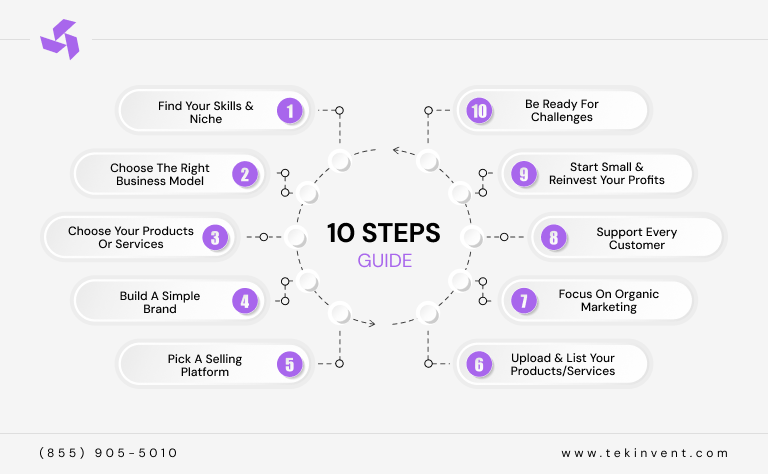
Starting an ecommerce business can feel overwhelming, but breaking it down into clear steps makes the process far more manageable. Below is a practical, step-by-step roadmap to help you move from idea to launch with confidence.
Step 1: Find your skills and niche
Before building your online store, you need clarity on two basics: what you are selling and who you are selling to. This is where defining your niche comes in. A niche is a focused product category or audience that fits your skills and has real market demand.
Start by looking at what you already know. Ask yourself what skills you have, what people often ask you for help with, and what topics you enjoy spending time on. Your niche can be anything from fitness and fashion to skincare, digital tools, or productivity. Starting with something familiar gives you an edge because you already understand the audience and their problems.
Once you have a few ideas, validate them. Use tools like Google Trends to see if people are searching for the topic and Ubersuggest to check keyword demand and competition. This helps you avoid guessing and choose ideas with real interest behind them.
Next, study competitors. Look at similar businesses and identify what they do well, where they fall short, and whether there is a gap you can fill. For example, instead of a general fitness program, you might focus on beginner workouts with no equipment.
You do not need to be an expert. With interest, consistency, and learning along the way, your niche will become clearer as your ecommerce business grows.
Step 2: Choose the right business model
Now that you have a clearer understanding of your skills and niche, the next step is choosing a business model that fits your goals, lifestyle, and available resources.
The good news is you do not need to invent something completely new or manage a warehouse to get started. Ecommerce in 2026 offers several flexible business models that work well for beginners and experienced sellers alike. You have already seen the pros and cons earlier, so here is how to think about which option makes the most sense for you.
2.1. Dropshipping
Ideal if you want to run an online store without handling inventory or shipping. This model works well for testing products and learning how ecommerce operations work.
2.2. Print on Demand
A great option if you enjoy designing or creating visual products. You handle the designs while a third party takes care of printing and fulfillment.
2.3. Digital Products
If you can create ebooks, templates, planners, courses, or other digital assets, this model allows you to sell the same product repeatedly without inventory or shipping.
2.4. Freelance Services
If you have a marketable skill such as writing, design, social media management, or virtual assistance, you can package your expertise as a service and sell it online.
2.5. Handmade Products
Perfect for makers and creatives who enjoy producing physical items like jewelry, art, candles, or handmade goods. This model adds a personal and authentic touch to your brand.
2.6. Affiliate Marketing
If you prefer promoting rather than creating products, affiliate marketing allows you to earn by recommending other brands. It works especially well if you enjoy content creation or already have an audience.
The key is to choose a model that aligns with what you already know or are motivated to learn, as well as the time and effort you can realistically commit. There is no need to overthink this step. Pick something that feels manageable now, knowing you can refine or change your approach as your business grows.
Step 3: Choose your products or services
You have defined your niche and chosen a business model. The next step is deciding what you are actually going to sell. There is no need to launch with a large product range or complex offers. Starting with one focused product or service is often the smartest way to build momentum.
How you choose your first offering depends on the business model you selected.
3.1. Dropshipping
Start by exploring supplier platforms such as DSers, AliExpress, or Spocket. Look for products that align with your niche and have strong customer reviews. Pay close attention to supplier ratings, shipping reliability, and product quality. If possible, order a sample so you can evaluate the product yourself before listing it in your store.
3.2. Print on Demand
Platforms like Printful or Printify allow you to create and sell custom products such as t-shirts, mugs, or tote bags. Begin with a small collection of designs that clearly speak to your target audience. Focus on items people would realistically use or wear. You do not need dozens of designs. A few well-thought-out options are enough to get started.
3.3. Digital Products or Services
Clearly define what you are offering, whether it is an ebook, template, online session, or creative service. Your goal is to solve one specific problem for your audience. Keep the offer straightforward and easy to understand. You can expand your product range later, but starting with one clear solution makes it easier to market and sell.
3.4. Handmade Products
Work with materials you already have access to or can reasonably source. Limit your initial launch to a small number of products, ideally three to five. Focus on craftsmanship, originality, and the personal details that make handmade items stand out. Take your time with this process and let quality guide your decisions.
3.5. Affiliate Marketing
Sign up for affiliate programs through platforms like Amazon, Shopee, or brands within your niche. Choose products that are relevant to your audience and that you genuinely trust. Build content around those products, such as reviews, tutorials, or curated recommendation lists. The goal is to guide people toward informed buying decisions, not just to push sales.
The most important thing to remember is not to overwhelm yourself. You do not need to offer everything at once. One strong, well-positioned product or service is enough to start. Stay focused, keep it simple, and build from there.
Step 4: Build a simple brand
Before launching your store or services, it is important to have a brand, even a simple one. A clear brand helps people recognize you, trust you, and remember you long after they leave your site. It does not need to be complicated or expensive.
4.1. Pick a name that is simple and memorable
Choose a name that is easy to say, spell, and connects to what you offer. Avoid numbers or symbols that confuse people. Check that the domain and social media handles are available using tools like Namechk or GoDaddy.
4.2. Create a basic logo
You do not need a professional designer. Free tools like Canva, Looka, or Hatchful let you make a clean logo in minutes. Stick to a simple font, one or two colors, and an icon only if it adds meaning. You can refine it later.
4.3. Define your brand’s tone and values
Even as a one-person business, know how you want your brand to feel and what it stands for. Decide whether it is friendly or professional, bold or calm. Clarify what matters most, who you are helping, and why. Writing a few statements about your tone and values keeps your messaging consistent across your store, product descriptions, and social media.
Your brand does not have to be perfect at first. The goal is to feel real, trustworthy, and relatable. Keep it simple, stay authentic, and let it grow as your business grows.
Step 5: Pick a selling platform
You have your product or service ready and your brand is coming together. Now it is time to decide where to sell. The platform you choose affects how customers find you and how much control you have over your business.
You have two main options: sell through a marketplace or build your own online store.
Option 1: Sell Through a Marketplace
Marketplaces like Etsy, eBay, or Facebook Marketplace give you access to existing buyers and a simple setup. They are great for getting started quickly without worrying about traffic. The downside is limited branding and platform rules, plus direct competition with other sellers.
Option 2: Build Your Own Online Store
Platforms like Shopify, Wix, or WooCommerce let you fully control your brand, design, and customer experience. This approach takes more setup and requires you to drive traffic, but it offers long-term growth potential and full customization.
If you want to test your idea quickly, start with a marketplace. If your goal is building a recognizable brand, your own store is the better option. Focus on one platform at a time. You do not need to be everywhere from day one.
Step 6: Upload and list your products/services
This is the moment where planning turns into action. It is time to stop thinking about selling and actually put your offer in front of real people. It can feel uncomfortable at first, especially if self-doubt kicks in, but progress matters more than perfection.
Here is how to keep your listings simple, clear, and engaging.
Start with strong visuals
If you are selling physical products, images play a major role in first impressions. Use natural lighting, a clean background, and capture your product from multiple angles. A professional camera is not required. A smartphone works just fine. If your photos need a little polishing, free AI or editing tools can help improve brightness, clarity, and overall presentation.
Write descriptions that sound natural and useful
Avoid listing features alone. Focus on what the product or service does for the customer. Highlight benefits and real-world use cases. For example, instead of describing a handmade soy candle, explain how a calming lavender scent helps someone relax after a long day. Include relevant keywords naturally so your listing is easier to find, but keep the tone conversational and clear.
Make pricing and next steps obvious
Your audience should immediately understand what the product costs and what to do next. Display pricing clearly and include a simple call to action such as Buy now, Book your spot, or Download instantly. Clear guidance builds confidence and removes hesitation.
The goal is not to create a flawless listing. The goal is to create a real one that feels trustworthy, easy to understand, and genuinely helpful. You can always refine and improve later. What matters most right now is getting your offer live and building momentum.
Step 7: Focus on organic marketing
Let’s be honest. If you had a big advertising budget, you probably would not be searching for ways to start a business on a tight budget. Paid ads can come later. For now, the focus is on smart, resourceful marketing that relies more on effort than money.
The good news is that there are plenty of effective ways to promote your business without spending on ads. The key is to show up where your audience already spends time and give them something worth paying attention to.
Here are some ways to get started:
Social Media Marketing
Be present where your audience already hangs out. Whether that is TikTok, Instagram, Facebook, or another platform, focus on showing up consistently. Share behind-the-scenes content, useful tips, personal stories, and real experiences. People connect with people, not faceless brands.
Content Marketing
Create helpful content around your niche through a blog, YouTube channel, or short-form videos. Answer common questions, explain problems, and show how your product or service fits into real life. This builds trust over time and also supports long-term visibility through search engines.
Search Engine Optimization
Use clear and specific keywords in your product titles, descriptions, and content. Instead of generic terms, think about how people actually search. For example, phrases like eco-friendly candles for stress relief are more effective than just candles. This helps both search engines and potential customers find you more easily.
Email Marketing
Start building an email list using beginner-friendly tools like MailerLite or Brevo. Give people a reason to sign up, such as a helpful guide, early access, or a small incentive. Once they are on your list, stay in touch with useful updates, tips, and offers that feel relevant rather than sales-heavy.
Communities and Forums
Join online communities related to your niche, such as Facebook groups, Reddit discussions, or industry forums. Focus on being helpful, not promotional. Answer questions, share insights, and only mention your product or service when it genuinely adds value to the conversation.
Word of Mouth
Satisfied customers are one of the most powerful marketing tools you have. Encourage reviews, testimonials, and social shares. A simple thank-you or referral incentive can motivate people to spread the word.
Collaborations and Shoutouts
Connect with micro-influencers, bloggers, or creators in your niche. Propose collaborations, content swaps, or product features. Smaller audiences often deliver better results when they are highly targeted and engaged.
You do not need to be active everywhere at once. Choose one or two channels that make the most sense for your audience and stay consistent. Organic marketing takes time, but it works. And the best part is that it builds real connections that last.
Step 8: Support every customer who finds you
When you are building a business with limited resources, you likely do not have a large team, expensive ad campaigns, or automated support systems running around the clock. What you do have is yourself, and that personal connection is one of your biggest strengths.
Every customer interaction matters. Whether someone makes a purchase or simply asks a question, each touchpoint is an opportunity to build trust. A first-time buyer today can easily become a loyal supporter tomorrow, not just because of what you sell, but because of how you treat them throughout the entire experience.
Great customer support starts with being present and approachable. Respond to questions quickly and with genuine care, even when the questions seem small or unusual. If someone is unsure about a product or service, help them make an informed decision rather than pushing for a sale. When issues arise, handle them professionally and with empathy. Be transparent about your policies, apply them consistently, and always keep a human touch.
Simple gestures make a big difference. Saying thank you, following up after a purchase, and acknowledging feedback help customers feel valued. You do not need complex systems or scripted responses to deliver good service. Being helpful, honest, and easy to reach is often more effective.
Customer support is where small businesses truly stand out. In a world full of automated replies and impersonal interactions, genuine care builds loyalty and sets your brand apart every time.
Step 9: Start small and reinvest your profits
You do not need a big launch or a huge product lineup to get started. One product, one service, or one solid offer is enough. Keep it simple and focus on getting your first sale.
When that sale comes in, reinvest. Use what you earn to improve product quality, add variations your customers respond to, and gradually invest in tools or ads when it makes sense.
This is how ecommerce grows sustainably. One step at a time, one sale at a time. Not by chasing overnight success, but by building something steady, intentional, and built to last.
Step 10: Be ready for challenges and keep going
Starting an ecommerce business with no money is not always easy. Some days feel amazing, other days frustrating, and that is normal.
Growth takes time and results may be slower than you hope. The people who succeed are not perfect, they just do not quit.
Keep going by staying consistent, learning as you go, and embracing trial and error. Every step you take with your time, effort, and hustle is progress. You are already winning.
Final Thoughts
Starting an ecommerce business in 2026 is about clarity, consistency, and persistence. Focus on your niche, build a brand, serve customers well, and grow step by step. Success comes from effort, learning, and reinvesting wisely. Perfection is not required, progress is what matters.
If you’re ready for a new business idea, contact us at TekInvent!

Build Smart with The Right Team.
We bring expertise, technology, and trust you look for in your digital journey.